Welcome to your one-stop shop for all camping adventures!

How to Plan a Backpacking Trip: A Beginner’s Guide


Are you excited to embark on your first backpacking adventure and seeking valuable camping tips to make it unforgettable? In this comprehensive guide, we’ll share expert advice on planning a successful backpacking trip, from preparation to execution. With these tips and tricks, you’ll be well-equipped to tackle the great outdoors and create lifelong memories.
Understanding Backpacking Basics
To start planning your trip, it’s essential to understand the fundamentals of backpacking. This includes knowing the difference between backpacking and hiking, as well as the various types of backpacking trips, such as section hiking, thru-hiking, and ultralight backpacking. Familiarizing yourself with these concepts will help you determine the best approach for your adventure.
Defining Backpacking and Hiking
Backpacking and hiking are often used interchangeably, but they have distinct differences. Hiking typically involves day trips or shorter excursions, whereas backpacking involves carrying all your gear and supplies for an extended period. Understanding these differences will help you prepare accordingly and ensure a safe and enjoyable experience.
Types of Backpacking Trips
There are several types of backpacking trips, each with its unique characteristics and challenges. Section hiking involves hiking a portion of a long-distance trail, while thru-hiking involves completing an entire trail in one continuous journey. Ultralight backpacking, on the other hand, focuses on minimizing gear weight and maximizing efficiency. Choosing the right type of trip will depend on your experience, physical condition, and personal preferences.
Planning and Preparation
Proper planning and preparation are crucial to a successful backpacking trip. This includes researching your destination, checking the weather forecast, and obtaining necessary permits and licenses. It’s also essential to create a detailed itinerary, including your route, accommodation, and food supply.
Researching Your Destination
Researching your destination is critical to a safe and enjoyable trip. This includes learning about the local terrain, climate, and potential hazards, such as wildlife, inclement weather, and steep terrain. You should also familiarize yourself with local regulations, including any restrictions on camping, fishing, or hunting.
Creating an Itinerary
A well-planned itinerary will help you stay on track and ensure a smooth journey. This includes mapping out your route, booking accommodations, and arranging for food and transportation. Be sure to leave some flexibility in your itinerary in case of unexpected delays or changes in the weather.
Packing and Gear
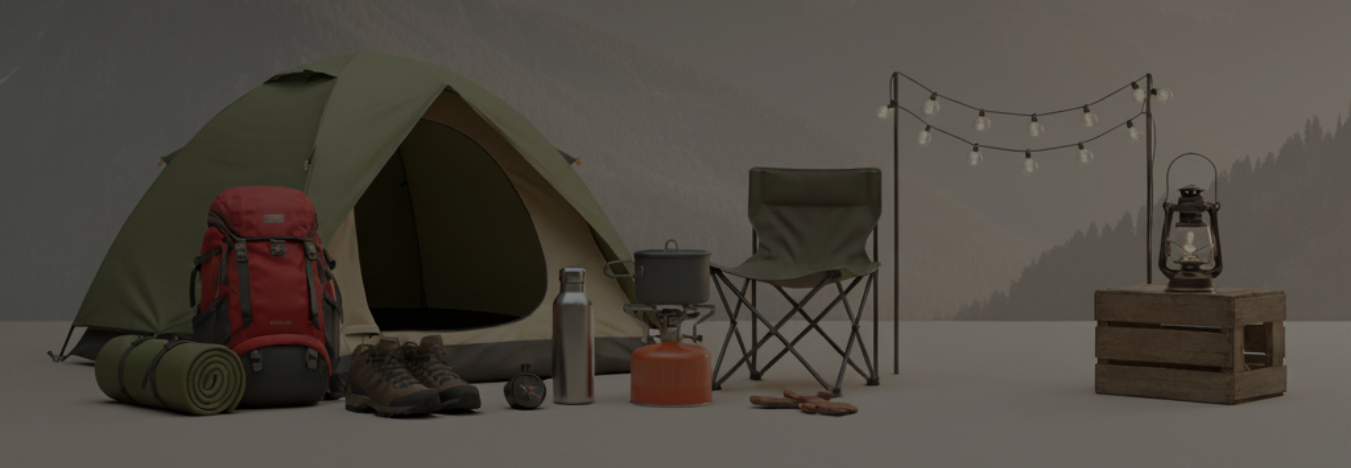
Packing the right gear is essential to a comfortable and safe backpacking trip. This includes a sturdy backpack, comfortable hiking boots, and essential clothing and accessories, such as a sleeping bag, tent, and first aid kit. It’s also important to pack lightweight and versatile gear to minimize weight and maximize efficiency.
Choosing the Right Backpack
A good backpack is essential to a comfortable and safe backpacking trip. Look for a backpack with multiple compartments, padded shoulder straps, and a hip belt to distribute the weight evenly. Consider the size and capacity of the backpack, as well as its durability and weather resistance.
Packing Clothing and Accessories
Packing the right clothing and accessories will help you stay comfortable and prepared for any situation. This includes layers of breathable clothing, a warm hat and gloves, and sturdy hiking socks. Don’t forget essential accessories, such as a headlamp, sunscreen, and insect repellent.
Physical Conditioning and Safety
Backpacking can be physically demanding, requiring a good level of fitness and endurance. It’s essential to assess your physical condition and train accordingly before embarking on your trip. You should also take necessary safety precautions, such as carrying a first aid kit, knowing basic first aid techniques, and informing someone of your itinerary.
Assessing Your Physical Condition
Assessing your physical condition will help you determine your limitations and prepare accordingly. Consider your age, fitness level, and any medical conditions that may affect your ability to backpack. Start training several months in advance, incorporating cardio, strength training, and flexibility exercises into your routine.
Safety Precautions and Emergency Procedures
Safety should always be your top priority when backpacking. Carry a first aid kit and know basic first aid techniques, such as treating wounds, broken bones, and altitude sickness. Inform someone of your itinerary, including your route, expected return time, and emergency contact information.
Conclusion
Planning a backpacking trip requires careful consideration and preparation, but with the right guidance, you can create an unforgettable adventure. Remember to research your destination, plan your itinerary, pack the right gear, and prioritize physical conditioning and safety. By following these essential camping tips and guidelines, you’ll be well-equipped to tackle the great outdoors and create lifelong memories. Happy backpacking!