Welcome to your one-stop shop for all camping adventures!

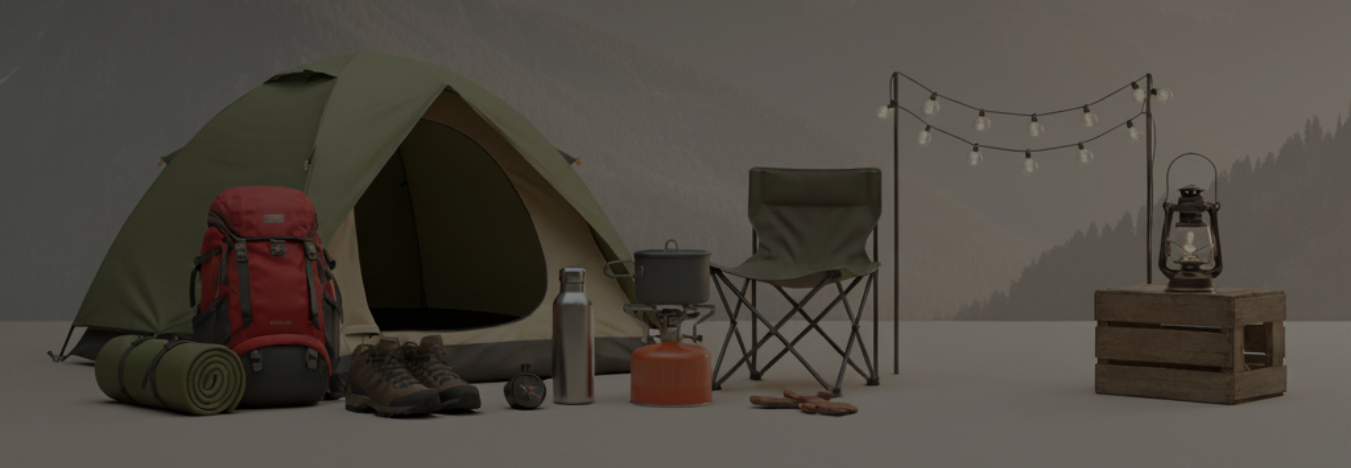
Wilderness Survival 101: A Guide for Beginners


Are you ready to embark on a camping and hiking adventure, but unsure of how to survive in the wilderness? In this ultimate guide, we’ll share the essential tips and techniques for wilderness survival, from finding food and shelter to navigating and signaling for help. Whether you’re a seasoned outdoorsman or a beginner, this guide will provide you with the knowledge and confidence to tackle the great outdoors.
Introduction to Wilderness Survival
Wilderness survival is the ability to stay alive and safe in the wilderness, often with limited resources and equipment. It requires a combination of knowledge, skills, and attitude, as well as the ability to think clearly and make sound decisions in challenging situations. With the right mindset and training, anyone can learn to survive in the wilderness, even with minimal equipment.
Why Wilderness Survival is Important
Wilderness survival is important because it can help you stay safe and alive in emergency situations, such as getting lost or stranded while hiking or camping. It can also enhance your outdoor experience, allowing you to connect with nature and appreciate its beauty. Additionally, wilderness survival skills can be useful in everyday life, such as in emergency preparedness and disaster response.
Basic Wilderness Survival Skills
Basic wilderness survival skills include finding and purifying water, starting a fire, building a shelter, and finding food. These skills are essential for staying alive and safe in the wilderness, and can be learned with practice and experience. It’s also important to have the right equipment, such as a first aid kit, a knife, and a compass.
Shelter and Protection
Shelter and protection are critical components of wilderness survival, as they can help you stay safe and warm in extreme weather conditions. There are several types of shelters that can be built in the wilderness, including lean-tos, debris huts, and snow shelters.
Types of Shelters
Lean-tos are simple shelters made from a ridgepole and sloping roof, often covered with leaves, grasses, or pine needles. Debris huts are more complex shelters made from a frame of branches and a roof of leaves and grasses. Snow shelters, on the other hand, are made from blocks of snow and can provide excellent protection from wind and cold.
How to Build a Shelter
Building a shelter in the wilderness requires careful planning and construction. First, you need to choose a suitable location, such as a flat area with minimal wind and rain. Next, you need to gather materials, such as branches, leaves, and grasses. Finally, you need to construct the shelter, using a combination of tying and propping to create a sturdy structure.
Fire Starting and Safety
Fire starting and safety are essential wilderness survival skills, as they can provide warmth, light, and a way to cook food. There are several ways to start a fire in the wilderness, including using matches, lighters, and firestarters.
How to Start a Fire
Starting a fire in the wilderness requires careful preparation and attention to safety. First, you need to choose a safe location, away from flammable materials and overhanging branches. Next, you need to gather tinder, kindling, and fuel, such as dry leaves, grasses, and small twigs. Finally, you need to light the fire, using a match, lighter, or firestarter, and monitor its size and spread.
Fire Safety Tips
Fire safety is critical in the wilderness, as it can help prevent accidents and injuries. Always keep a bucket of water or a fire extinguisher nearby, and never leave a fire unattended. Additionally, make sure to fully extinguish the fire before leaving it, using the “drown, stir, and repeat” method.
Food and Water Procurement
Food and water procurement are essential wilderness survival skills, as they can provide sustenance and hydration. There are several ways to find food in the wilderness, including foraging, hunting, and fishing.
How to Find Food in the Wilderness
Finding food in the wilderness requires careful observation and identification of edible plants and animals. Always avoid eating plants that are unknown or unidentifiable, and make sure to cook meat and fish thoroughly to prevent foodborne illness.
How to Purify Water
Purifying water is critical in the wilderness, as it can help prevent waterborne illness. There are several ways to purify water, including boiling, filtering, and using water purification tablets. Always make sure to purify water before drinking it, and avoid drinking from stagnant or polluted sources.
Navigation and Signaling
Navigation and signaling are essential wilderness survival skills, as they can help you find your way and signal for help. There are several ways to navigate in the wilderness, including using a compass, map, and GPS device.
How to Use a Compass
Using a compass in the wilderness requires careful attention to direction and orientation. Always make sure to hold the compass level and steady, and use the magnetic needle to determine direction. Additionally, make sure to take bearings and triangulate your position to ensure accuracy.
How to Signal for Help
Signaling for help in the wilderness requires careful planning and execution. Always make sure to use visible and audible signals, such as smoke, fire, and whistles, and use a combination of signals to attract attention. Additionally, make sure to stay visible and avoid hiding or concealing yourself, as this can make it harder for rescuers to find you.
Conclusion
Wilderness survival is a critical skill that can help you stay safe and alive in emergency situations. By learning the essential tips and techniques outlined in this guide, you can enhance your outdoor experience and connect with nature. Remember to always be prepared, stay aware of your surroundings, and use your knowledge and skills to survive and thrive in the wilderness. With practice and experience, you can become a skilled wilderness survivor, capable of navigating and surviving in even the most challenging environments.