Welcome to your one-stop shop for all camping adventures!

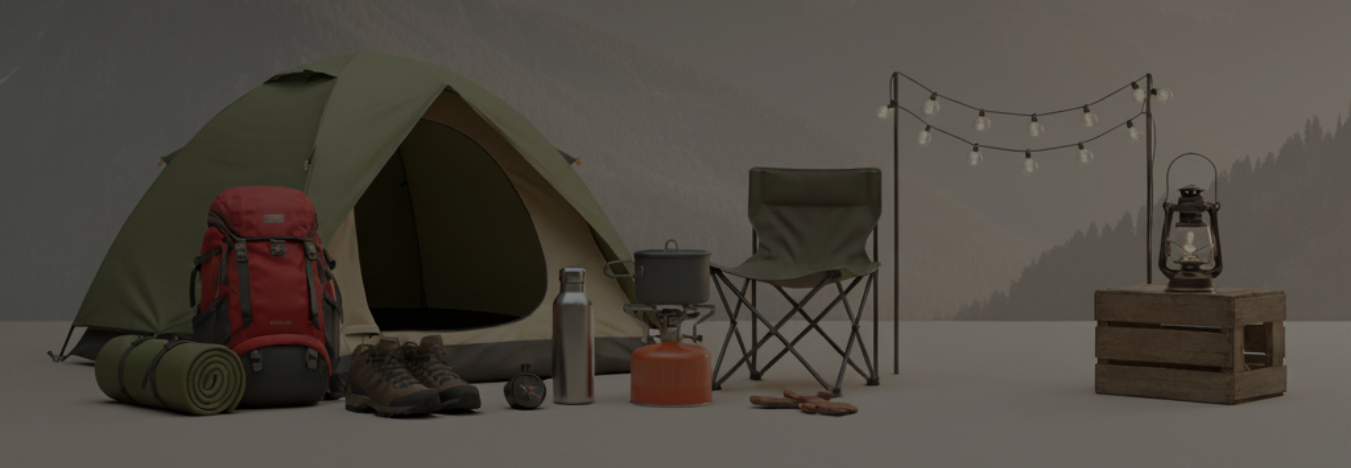
Camping with Disabilities


Are you looking for camping tips to make your outdoor adventure more accessible and enjoyable, despite physical limitations? In this comprehensive guide, we’ll share expert advice and strategies for camping with disabilities, covering everything from preparation and gear to accommodations and activities. Whether you’re a seasoned camper or just starting out, these tips will help you navigate the great outdoors with confidence and independence.
Introduction to Camping with Disabilities
Camping is an activity that can be enjoyed by people of all ages and abilities, and with the right mindset and equipment, individuals with disabilities can participate fully in the experience. By understanding the challenges and opportunities of camping with disabilities, you can better prepare yourself for a fun and inclusive adventure. From choosing accessible campsites to using specialized gear, there are many ways to make camping more accessible and enjoyable.
Benefits of Camping for People with Disabilities
Camping can have numerous physical and emotional benefits for people with disabilities, including reduced stress and anxiety, improved mood, and increased social connections. Being in nature can also promote a sense of calm and well-being, and provide opportunities for physical activity and exercise. Additionally, camping can provide a sense of independence and self-reliance, as individuals with disabilities learn to navigate and adapt to new environments.
Common Challenges of Camping with Disabilities
Despite the many benefits of camping, individuals with disabilities may face unique challenges and barriers, including inaccessible campsites, limited mobility, and lack of accommodations. Other challenges may include difficulty with daily living tasks, such as cooking and hygiene, and limited access to medical care and emergency services. By understanding these challenges, you can better prepare yourself and plan for a successful and enjoyable camping trip.
Preparation and Planning
Preparation and planning are key to a successful and enjoyable camping trip, especially for individuals with disabilities. This includes researching accessible campsites, choosing the right gear and equipment, and planning for medical and emergency needs. By taking the time to prepare and plan, you can ensure a safe and enjoyable experience, and minimize the risk of complications or emergencies.
Researching Accessible Campsites
When researching campsites, look for those that are specifically designated as accessible, and that offer amenities such as wheelchair-accessible restrooms and showers. You can also check with park rangers or campsite staff to ask about accessibility features and accommodations. Additionally, consider the terrain and layout of the campsite, and whether it is suitable for your mobility and accessibility needs.
Choosing the Right Gear and Equipment
The right gear and equipment can make a big difference in the accessibility and enjoyment of your camping trip. This may include items such as wheelchairs, walkers, or other mobility aids, as well as specialized camping gear such as accessible tents and sleeping bags. You can also consider renting or borrowing equipment, or purchasing items specifically designed for camping with disabilities.
Planning for Medical and Emergency Needs
When planning for medical and emergency needs, consider your specific health requirements and any potential risks or complications. This may include bringing medical equipment or supplies, such as oxygen tanks or medications, and having a plan in place for emergency situations. You can also research local medical facilities and emergency services, and make sure to have a cell phone or other communication device with you at all times.
Accessible Camping Activities
Camping offers a wide range of activities and experiences, from hiking and nature walks to swimming and fishing. For individuals with disabilities, these activities can be adapted and modified to be more accessible and enjoyable. This may include using specialized equipment, such as adaptive bicycles or wheelchairs, or participating in activities that are specifically designed for people with disabilities.
Adaptive Sports and Recreation
Adaptive sports and recreation can provide a fun and challenging way for individuals with disabilities to participate in camping activities. This may include sports such as adaptive skiing or snowboarding, or activities such as horseback riding or archery. You can also consider participating in adaptive programs or workshops, which can provide instruction and guidance on adaptive sports and recreation.
Accessible Nature Programs
Accessible nature programs can provide a unique and educational experience for individuals with disabilities, and can include activities such as nature walks, birdwatching, or outdoor photography. These programs can be specifically designed for people with disabilities, and may include accommodations such as wheelchair-accessible trails or adaptive equipment.
Accommodations and Support
Accommodations and support can play a critical role in the accessibility and enjoyment of your camping trip. This may include items such as accessible restrooms and showers, or accommodations such as wheelchair-accessible cabins or lodges. You can also consider bringing a companion or support person, who can provide assistance and support during the trip.
Accessible Camping Facilities
Accessible camping facilities can provide a safe and comfortable place to stay, and may include amenities such as wheelchair-accessible restrooms and showers. You can also consider renting or booking accessible cabins or lodges, which can provide a more comfortable and convenient place to stay.
Companions and Support Persons
Companions and support persons can provide critical assistance and support during the camping trip, and can help with tasks such as cooking, hygiene, and mobility. You can also consider hiring a guide or companion, who can provide expert guidance and support during the trip.
Conclusion
Camping with disabilities requires careful planning and preparation, but with the right mindset and equipment, it can be a fun and inclusive adventure. By researching accessible campsites, choosing the right gear and equipment, and planning for medical and emergency needs, you can ensure a safe and enjoyable experience. Additionally, by participating in accessible camping activities and using accommodations and support, you can maximize your enjoyment and independence. Remember to always prioritize your safety and well-being, and don’t be afraid to ask for help or assistance when needed. With these expert camping tips and strategies, you can navigate the great outdoors with confidence and independence, and enjoy all the benefits that camping has to offer.