Welcome to your one-stop shop for all camping adventures!

Camping in Different Environments


Are you ready to embark on a camping adventure and connect with nature? With the right camping tips and preparation, you can ensure a safe and enjoyable experience in various environments. From the mountains to the desert, each environment presents unique challenges and opportunities for exploration.
Introduction to Camping Environments
Camping in different environments requires a deep understanding of the terrain, climate, and potential hazards. Whether you’re a seasoned camper or a beginner, it’s essential to research and prepare for the specific environment you’ll be camping in. This includes understanding the local weather patterns, wildlife, and regulations.
Mountain Camping
Mountain camping offers breathtaking scenery and exciting outdoor activities like hiking and rock climbing. However, it also poses challenges such as steep terrain, unpredictable weather, and limited access to amenities. To ensure a safe and enjoyable experience, it’s crucial to pack warm clothing, bring a first aid kit, and stay informed about weather forecasts.
Desert Camping
Desert camping provides a unique opportunity to experience the beauty of arid landscapes and star-filled skies. However, it also requires careful planning and preparation to avoid dehydration, heat exhaustion, and encounters with wildlife. Campers should bring plenty of water, sunscreen, and a map, and be aware of the local regulations and restrictions.
Beach Camping
Beach camping offers a relaxing and scenic experience, with opportunities for swimming, surfing, and sunbathing. However, it also poses challenges such as strong winds, tidal waves, and limited access to amenities. Campers should bring a sturdy tent, anchors, and a first aid kit, and be aware of the local weather forecasts and beach regulations.
Preparing for Camping in Different Environments
To ensure a safe and enjoyable camping experience, it’s essential to prepare for the specific environment you’ll be camping in. This includes researching the local terrain, climate, and regulations, as well as packing the necessary gear and supplies.
Packing Essentials
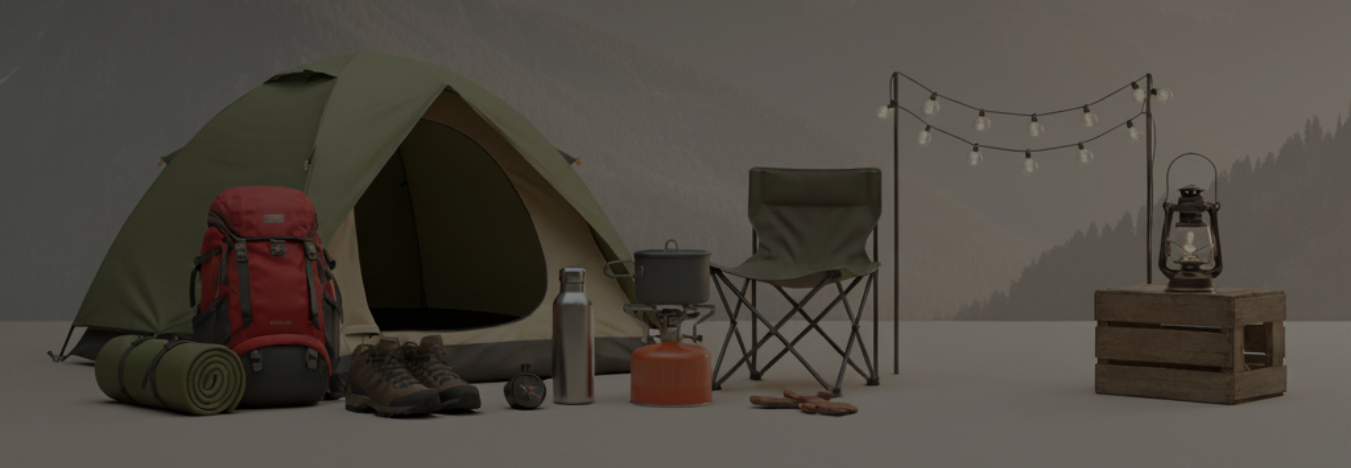
When packing for a camping trip, it’s essential to bring the right gear and supplies for the environment you’ll be camping in. This includes a tent, sleeping bag, clothing, and personal hygiene items, as well as a first aid kit, map, and compass.
Food and Water
Food and water are essential for a camping trip, and it’s crucial to plan and prepare for the specific environment you’ll be camping in. This includes bringing non-perishable food items, a water filter or purification tablets, and a camping stove or cooking equipment.
Safety Precautions
Safety precautions are essential for a camping trip, and it’s crucial to take necessary measures to avoid accidents and injuries. This includes bringing a first aid kit, a map, and a compass, as well as being aware of the local weather forecasts and potential hazards.
Camping Tips and Tricks
To ensure a safe and enjoyable camping experience, it’s essential to follow camping tips and tricks. This includes setting up a safe and comfortable campsite, building a campfire, and minimizing your impact on the environment.
Setting Up Camp
Setting up a safe and comfortable campsite is essential for a camping trip. This includes choosing a flat and dry spot, setting up a tent, and building a campfire. Campers should also be aware of the local regulations and restrictions, and take necessary measures to minimize their impact on the environment.
Building a Campfire
Building a campfire is a crucial aspect of camping, and it’s essential to follow safety precautions to avoid accidents and injuries. This includes choosing a safe location, using firewood and kindling, and fully extinguishing the fire before leaving the campsite.
Minimizing Impact
Minimizing your impact on the environment is essential for a camping trip, and it’s crucial to follow the principles of Leave No Trace. This includes disposing of waste properly, respecting wildlife, and avoiding sensitive habitats.
Conclusion
Camping in different environments requires careful planning and preparation to ensure a safe and enjoyable experience. By researching the local terrain, climate, and regulations, packing the necessary gear and supplies, and following camping tips and tricks, you can connect with nature and create lasting memories. Remember to always prioritize safety, respect the environment, and follow the principles of Leave No Trace to minimize your impact on the environment. With the right mindset and preparation, you can embark on a camping adventure that will leave you feeling refreshed, renewed, and inspired.