Welcome to your one-stop shop for all camping adventures!

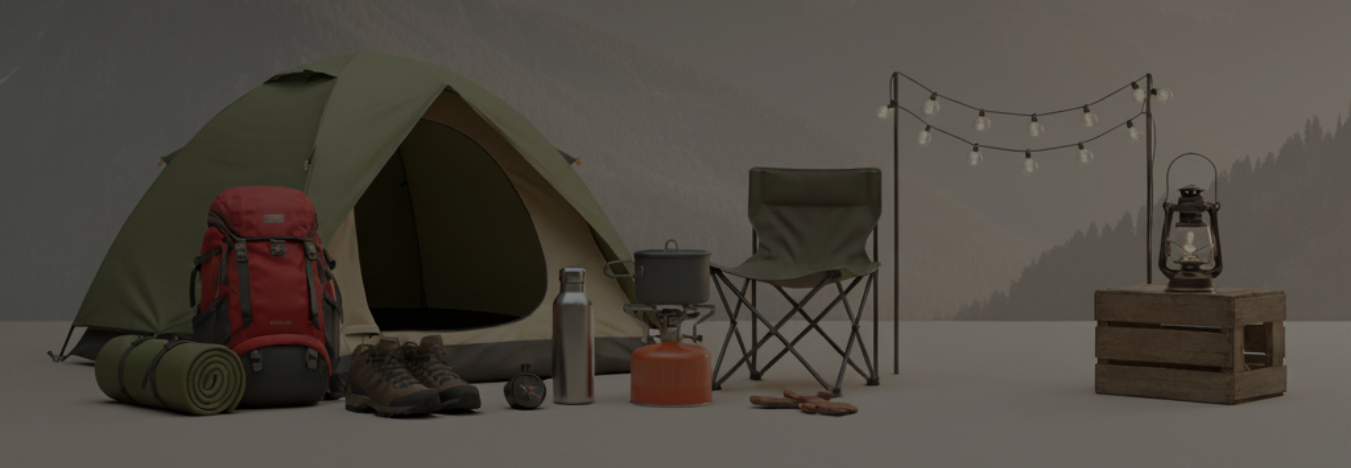
Camping in Wetlands: A Guide to Swamp and Marsh Camping


Are you ready for an adventure and looking for camping tips to explore the uncharted territories of wetlands? In this comprehensive guide, we’ll share expert advice and strategies for a successful and enjoyable swamp and marsh camping experience. From choosing the right gear to navigating the unique challenges of wetland camping, these tips will help you prepare for an unforgettable journey.
Introduction to Wetland Camping
Wetlands, including swamps and marshes, offer a unique and exciting camping experience, with diverse wildlife and breathtaking scenery. However, camping in these areas requires special preparation and knowledge to ensure a safe and enjoyable trip. With the right mindset and gear, you can immerse yourself in the beauty of these ecosystems and create lifelong memories.
Benefits of Wetland Camping
Camping in wetlands provides an opportunity to connect with nature and experience the thrill of exploring unspoiled territories. The diverse flora and fauna of these ecosystems make them a paradise for nature lovers and outdoor enthusiasts. Additionally, the peaceful and serene atmosphere of wetlands can be a perfect antidote to the stresses of urban life.
Challenges of Wetland Camping
While wetland camping can be a rewarding experience, it also poses unique challenges, such as navigating difficult terrain, dealing with insects and wildlife, and managing gear in wet conditions. Moreover, the sensitive ecosystems of wetlands require campers to take extra precautions to minimize their impact and preserve the environment.
Preparation and Planning
Before embarking on a wetland camping trip, it’s essential to prepare and plan carefully. This includes researching the area, checking the weather forecast, and packing the right gear. A well-planned trip can make all the difference in ensuring a safe and enjoyable experience.
Choosing the Right Gear
When it comes to wetland camping, having the right gear is crucial. This includes a sturdy tent, a reliable sleeping bag, and a waterproof backpack. Additionally, a good pair of hiking boots, insect repellent, and a first aid kit are essential items to include in your packing list.
Understanding Wetland Ecosystems
To appreciate the beauty of wetlands and minimize your impact, it’s essential to understand the unique characteristics of these ecosystems. This includes learning about the local flora and fauna, as well as the importance of preserving these sensitive environments.
Camping in Swamps
Swamps are a type of wetland that is characterized by standing water and a diverse range of plant and animal life. Camping in swamps requires special precautions, such as choosing a safe campsite, managing gear in wet conditions, and being aware of potential hazards like alligators and snakes.
Choosing a Safe Campsite
When camping in swamps, it’s essential to choose a safe campsite that is elevated and dry. This can help protect you from flooding and minimize the risk of encounters with wildlife. Additionally, a safe campsite should be located near a source of clean water and have adequate space for your gear.
Managing Gear in Wet Conditions
Swamps are notorious for their wet and humid conditions, which can be challenging for campers. To manage your gear effectively, it’s essential to use waterproof bags, keep your gear elevated, and take extra precautions to prevent moisture from seeping into your tent and sleeping bag.
Camping in Marshes
Marshes are another type of wetland that is characterized by soft, spongy ground and a diverse range of plant and animal life. Camping in marshes requires special precautions, such as choosing a safe campsite, being aware of potential hazards like quicksand, and managing gear in wet conditions.
Choosing a Safe Campsite in Marshes
When camping in marshes, it’s essential to choose a safe campsite that is elevated and dry. This can help protect you from flooding and minimize the risk of encounters with wildlife. Additionally, a safe campsite should be located near a source of clean water and have adequate space for your gear.
Managing Gear in Marshes
Marshes are known for their soft and spongy ground, which can be challenging for campers. To manage your gear effectively, it’s essential to use waterproof bags, keep your gear elevated, and take extra precautions to prevent moisture from seeping into your tent and sleeping bag.
Safety Precautions
When camping in wetlands, safety should always be your top priority. This includes being aware of potential hazards like wildlife, taking precautions to prevent accidents, and having a plan in place in case of an emergency.
Wildlife Awareness
Wetlands are home to a diverse range of wildlife, including alligators, snakes, and birds. To stay safe, it’s essential to be aware of your surroundings and take precautions to prevent encounters with wildlife. This includes making noise while hiking, keeping a clean campsite, and storing food and trash properly.
Emergency Preparedness
When camping in wetlands, it’s essential to be prepared for emergencies. This includes having a first aid kit, knowing how to start a fire, and having a plan in place in case of an emergency. Additionally, it’s essential to let someone know your itinerary and expected return time, and to carry a means of communication like a cell phone or two-way radio.
Conclusion
Camping in wetlands can be a rewarding and exciting experience, but it requires special preparation and knowledge. By following the tips and guidelines outlined in this guide, you can ensure a safe and enjoyable trip. Remember to choose the right gear, understand the unique characteristics of wetland ecosystems, and take extra precautions to minimize your impact and preserve the environment. With the right mindset and preparation, you can immerse yourself in the beauty of wetlands and create lifelong memories. Whether you’re a seasoned camper or just starting out, wetland camping is an adventure that’s waiting for you – so pack your gear, grab your sense of adventure, and get ready to explore the uncharted territories of swamps and marshes.