Welcome to your one-stop shop for all camping adventures!

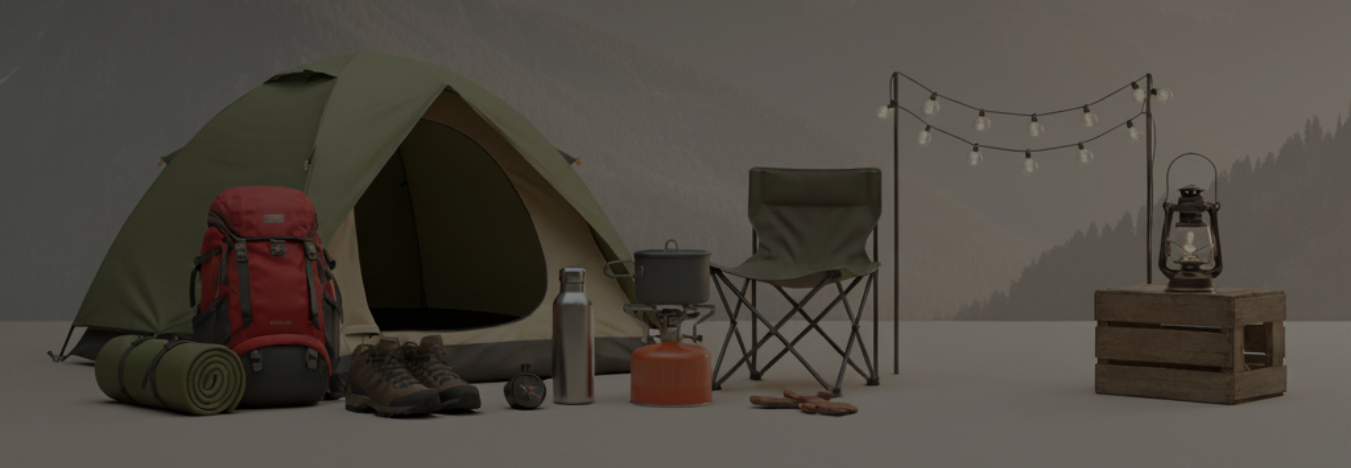
A Guide to Visiting the Rocky Mountain National Park


Embark on an unforgettable adventure of camping and hiking in the breathtaking Rocky Mountain National Park, where majestic mountains, alpine lakes, and abundant wildlife await. With its stunning natural beauty and diverse landscape, this park offers a unique experience for outdoor enthusiasts. From rugged trails to serene vistas, the Rocky Mountain National Park is a paradise for nature lovers.
Introduction to the Park
The Rocky Mountain National Park is located in the state of Colorado, USA, and covers an area of over 415 square miles. The park’s unique geography features a mix of montane, subalpine, and alpine ecosystems, supporting a wide range of plant and animal species. With over 60 mountain peaks exceeding 12,000 feet, the park offers endless opportunities for exploration and discovery.
History of the Park
The Rocky Mountain National Park has a rich cultural and natural history, with evidence of human presence dating back over 10,000 years. The park was established in 1915, and since then, it has been a popular destination for outdoor recreation, scientific research, and conservation efforts. The park’s history is a testament to the importance of preserving our natural heritage for future generations.
Planning Your Visit
Before visiting the Rocky Mountain National Park, it’s essential to plan your trip carefully. The park is open year-round, but the best time to visit depends on your preferences and activities. Summer is ideal for hiking and camping, while winter offers excellent opportunities for skiing and snowshoeing. Be sure to check the park’s website for up-to-date information on trail closures, weather conditions, and park events.
Getting There and Getting Around
The Rocky Mountain National Park is accessible by car, with several entrance points along the park’s perimeter. The nearest airport is in Denver, Colorado, which offers shuttle services and car rentals. Once inside the park, a free shuttle service is available during peak season, making it easy to get around without a car. Alternatively, you can hike or bike through the park’s scenic trails and enjoy the stunning views.
Things to Do
The Rocky Mountain National Park offers a wide range of activities for all interests and skill levels. From leisurely walks to challenging hikes, the park’s trail system provides endless opportunities for exploration. Other popular activities include camping, fishing, horseback riding, and wildlife watching. Be sure to check the park’s regulations and guidelines before engaging in any activity.
Hiking and Backpacking
The Rocky Mountain National Park is renowned for its hiking and backpacking opportunities, with over 350 miles of trails to choose from. From easy day hikes to multi-day backpacking trips, the park’s trails offer breathtaking views, scenic vistas, and unforgettable experiences. Be sure to bring plenty of water, food, and sunscreen, and always let someone know your itinerary.
Camping and Lodging
The Rocky Mountain National Park offers several campgrounds and lodging options, ranging from primitive backcountry sites to comfortable lodges. Aspenglen, Glacier Gorge, and Moraine Park are some of the most popular campgrounds, offering stunning views and easy access to trails. For a more luxurious experience, consider staying at the park’s historic lodges, such as the Stanley Hotel or the Estes Park Resort.
Wildlife and Nature
The Rocky Mountain National Park is home to a diverse range of wildlife, including elk, moose, bighorn sheep, and mountain lions. The park’s unique ecosystem supports over 1,000 species of plants and animals, making it a paradise for nature lovers and wildlife enthusiasts. Be sure to keep a safe distance from wildlife and never feed or approach them.
Conservation Efforts
The Rocky Mountain National Park is committed to conservation and environmental protection. The park’s staff and partners work tirelessly to preserve the park’s natural and cultural resources, while also promoting sustainable tourism and outdoor recreation. Visitors can contribute to these efforts by following the park’s regulations, reducing their impact, and supporting local conservation initiatives.
Safety and Precautions
Visiting the Rocky Mountain National Park requires careful planning and preparation, especially when it comes to safety and precautions. Be sure to check the weather forecast, bring plenty of water and snacks, and let someone know your itinerary. The park’s high altitude and unpredictable weather can pose significant risks, so it’s essential to be prepared and aware of your surroundings.
Altitude Sickness and Weather
The Rocky Mountain National Park’s high altitude can cause altitude sickness, especially for visitors who are not acclimated. Be sure to drink plenty of water, take breaks, and ascend gradually to minimize the risk. The park’s weather can also be unpredictable, with sudden changes in temperature, wind, and precipitation. Always check the forecast and be prepared for changing conditions.
Conclusion
In conclusion, the Rocky Mountain National Park is a unique and unforgettable destination for outdoor enthusiasts and nature lovers. With its stunning natural beauty, diverse wildlife, and endless opportunities for exploration, the park offers an experience like no other. By planning carefully, being prepared, and respecting the park’s regulations and environment, you can have a safe and enjoyable visit to this incredible national treasure. So why wait? Start planning your trip to the Rocky Mountain National Park today and discover the beauty and wonder of this incredible destination.