Welcome to your one-stop shop for all camping adventures!

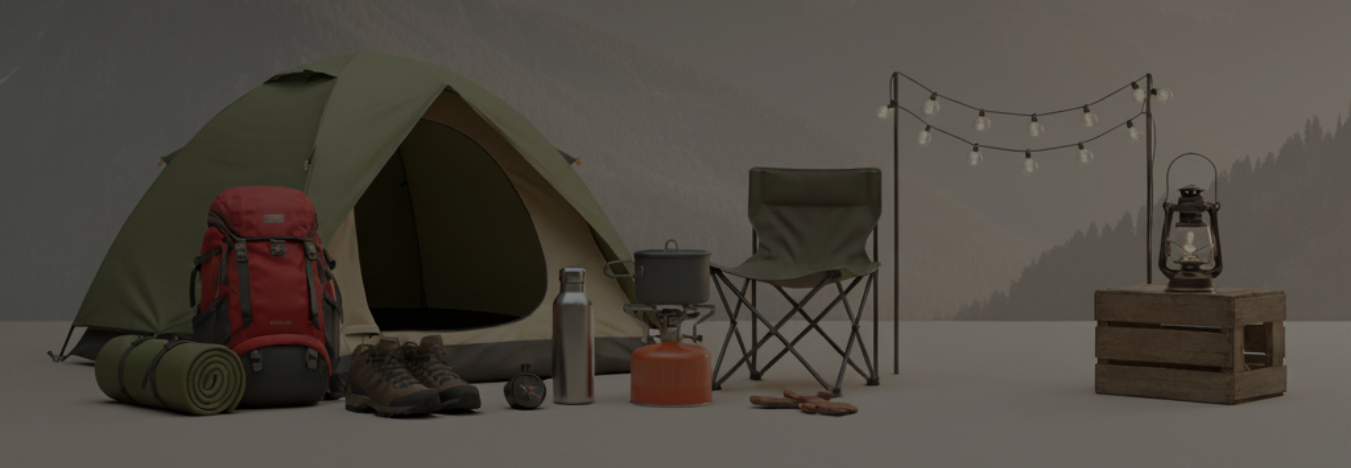
How to Prevent and Treat Common Outdoor Injuries


Are you an avid camping and hiking enthusiast looking to explore the great outdoors? In this ultimate guide, we’ll share expert tips and strategies for preventing and treating common outdoor injuries, ensuring you stay safe and healthy on your next adventure. From minor scrapes to serious accidents, we’ve got you covered.
Understanding Common Outdoor Injuries
Outdoor activities like camping and hiking can be hazardous, and it’s essential to be aware of the potential risks involved. Injuries can range from minor cuts and bruises to more severe conditions like fractures, sprains, and heat exhaustion.
Types of Outdoor Injuries
The most common outdoor injuries include blisters, sprains, strains, and fractures. These injuries can occur due to various reasons, such as uneven terrain, overexertion, or accidents. It’s crucial to recognize the signs and symptoms of these injuries to provide prompt treatment and prevent further complications.
Risk Factors for Outdoor Injuries
Several factors can increase the risk of outdoor injuries, including inadequate preparation, poor physical condition, and harsh weather conditions. Additionally, failure to use proper gear and equipment can also contribute to the likelihood of injuries. Being aware of these risk factors can help you take necessary precautions and stay safe.
Prevention Strategies for Outdoor Injuries
Prevention is key when it comes to outdoor injuries. By taking the right precautions and being prepared, you can minimize the risk of injuries and ensure a safe and enjoyable outdoor experience.
Proper Gear and Equipment
Using proper gear and equipment is essential for preventing outdoor injuries. This includes wearing sturdy hiking boots, using trekking poles, and carrying a first aid kit. It’s also important to check the weather forecast and dress accordingly to avoid hypothermia or heat exhaustion.
Physical Conditioning and Training
Being physically fit and well-trained can help prevent outdoor injuries. It’s essential to build up your endurance and strength before embarking on a challenging hike or camping trip. Additionally, learning basic first aid techniques and CPR can help you respond to emergencies effectively.
Navigation and Route Planning
Proper navigation and route planning can help prevent outdoor injuries. It’s essential to research the terrain, check for potential hazards, and plan your route accordingly. Using a map, compass, and GPS device can also help you stay on track and avoid getting lost.
Treatment and Management of Outdoor Injuries
Despite taking precautions, outdoor injuries can still occur. It’s essential to know how to treat and manage these injuries to prevent further complications and promote recovery.
Basic First Aid Techniques
Basic first aid techniques, such as wound cleaning and dressing, can help treat minor injuries. It’s also important to know how to immobilize fractures, apply splints, and use tourniquets. Additionally, learning how to recognize and respond to serious conditions like shock, dehydration, and heat exhaustion is crucial.
Wound Care and Management
Proper wound care and management are essential for preventing infection and promoting healing. This includes cleaning and dressing the wound, applying antibiotic ointment, and covering the wound with a bandage. It’s also important to monitor the wound for signs of infection, such as redness, swelling, and increased pain.
Pain Management and Rehabilitation
Pain management and rehabilitation are critical for recovering from outdoor injuries. This includes using pain-relieving medications, applying ice or heat, and engaging in gentle exercises to promote healing. Additionally, seeking medical attention and following a rehabilitation plan can help you recover fully and prevent long-term damage.
Specialized Care for Severe Outdoor Injuries
Severe outdoor injuries, such as fractures, head trauma, and spinal cord injuries, require specialized care and attention. It’s essential to recognize the signs and symptoms of these injuries and provide prompt treatment to prevent further complications.
Fracture Management
Fracture management involves immobilizing the affected area, applying splints, and using traction to align the bones. It’s also important to monitor for signs of compartment syndrome, nerve damage, and infection. Seeking medical attention promptly is crucial for proper treatment and rehabilitation.
Head and Spinal Cord Injury Management
Head and spinal cord injuries require immediate attention and specialized care. This includes immobilizing the head and spine, monitoring vital signs, and providing oxygen and ventilation support. It’s also essential to avoid moving the injured person unless absolutely necessary and to seek medical attention promptly.
Conclusion
Outdoor injuries can be prevented and treated with the right knowledge, skills, and equipment. By understanding the common types of outdoor injuries, taking prevention strategies, and knowing how to treat and manage injuries, you can stay safe and healthy on your next camping or hiking adventure. Remember to always be prepared, stay aware of your surroundings, and seek medical attention promptly if you or someone in your group is injured. With the right mindset and knowledge, you can enjoy the great outdoors while minimizing the risk of outdoor injuries.