Welcome to your one-stop shop for all camping adventures!

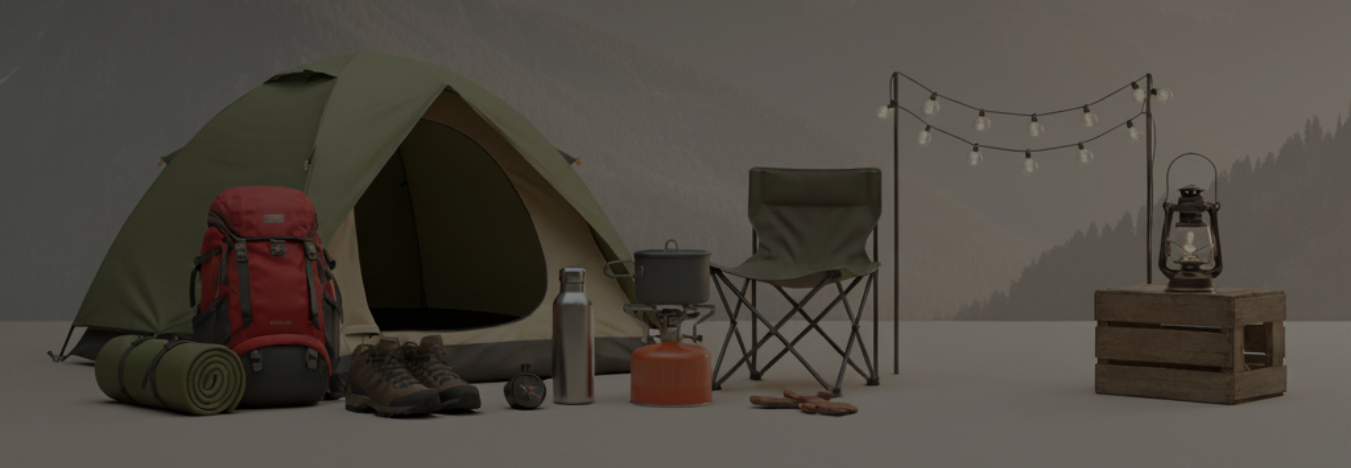
How to Reduce Your Impact on the Environment while Camping and Hiking


Camping and hiking are great ways to connect with nature, but they can also have a significant impact on the environment. In this guide, we’ll share tips and strategies for minimizing your footprint while enjoying the great outdoors. From planning and preparation to responsible camping and hiking practices, we’ll cover it all.
Planning and Preparation
Before you head out on your camping or hiking trip, there are several things you can do to reduce your impact on the environment.
Choose Your Destination Wisely
Consider the environmental impact of your destination and choose a location that is environmentally friendly. Look for campsites and trails that are well-maintained and have minimal human impact.
Research the local regulations and guidelines for camping and hiking in the area, and make sure to follow them.
Pack Light and Right
Packing light and right is essential for reducing your impact on the environment.
Bring only the essentials, and choose gear that is durable and can be used multiple times.
Avoid single-use plastics and opt for reusable containers and bags instead.
Responsible Camping Practices
When you arrive at your campsite, there are several things you can do to minimize your impact on the environment.
Set Up Camp in a Designated Area
Make sure to set up camp in a designated area, and avoid camping in sensitive habitats or areas with fragile vegetation.
Use existing campsites and fire rings, and avoid creating new ones.
Minimize Waste and Litter
Minimizing waste and litter is crucial for reducing your impact on the environment.
Bring a portable toilet or use existing restroom facilities, and pack out all trash and recyclables.
Avoid burning trash or leaving it behind, as this can harm the environment and wildlife.
Conserve Water and Energy
Conserving water and energy is essential for reducing your impact on the environment.
Use water-efficient gear and practices, such as using a water filter or purification tablets instead of bottled water.
Turn off lights and electronics when not in use, and use solar-powered chargers and lanterns.
Responsible Hiking Practices
When hiking, there are several things you can do to minimize your impact on the environment.
Stay on Designated Trails
Make sure to stay on designated trails, and avoid taking shortcuts or creating new trails.
This can help prevent erosion and protect sensitive habitats.
Respect Wildlife and Vegetation
Respecting wildlife and vegetation is crucial for reducing your impact on the environment.
Keep a safe distance from wildlife, and avoid feeding or approaching them.
Avoid picking or damaging plants, and stay on designated trails to avoid trampling vegetation.
Be Mindful of Fire Safety
Being mindful of fire safety is essential for reducing your impact on the environment.
Use existing fire rings or pits, and fully extinguish fires before leaving them unattended.
Avoid building fires in sensitive habitats or areas with high fire danger.
Additional Tips and Strategies
In addition to the tips and strategies outlined above, there are several other things you can do to reduce your impact on the environment while camping and hiking.
Use Eco-Friendly Gear and Products
Using eco-friendly gear and products can help reduce your impact on the environment.
Look for gear and products that are made from sustainable materials, and choose products with minimal packaging.
Support Conservation Efforts
Supporting conservation efforts is crucial for protecting the environment.
Consider donating to conservation organizations or participating in citizen science projects.
Spread awareness about the importance of environmental conservation, and encourage others to take action.
Continuously Educate Yourself
Continuously educating yourself is essential for reducing your impact on the environment.
Stay up-to-date on the latest best practices and guidelines for camping and hiking, and attend workshops or classes to learn new skills.
Conclusion
In conclusion, reducing your impact on the environment while camping and hiking requires some planning and effort, but it is well worth it.
By following the tips and strategies outlined in this guide, you can minimize your footprint and help protect the environment for future generations.
Remember to always be mindful of your impact, and take steps to reduce your waste, conserve resources, and respect wildlife and vegetation.
With a little bit of knowledge and effort, you can enjoy the great outdoors while also protecting the environment.