Welcome to your one-stop shop for all camping adventures!

Camping and Navigation


Are you looking for camping tips to enhance your outdoor adventure? In this ultimate guide, we’ll share expert advice on camping and navigation, from planning and preparation to safety and survival techniques. Whether you’re a seasoned camper or a beginner, these strategies will help you navigate the great outdoors with confidence and enjoy a safe and memorable trip.
Introduction to Camping and Navigation
Camping and navigation go hand-in-hand, and understanding the basics of both is crucial for a successful and enjoyable trip. Navigation involves using maps, compasses, and other tools to find your way, while camping requires knowledge of the outdoors, including setting up camp, building shelters, and starting fires. In this article, we’ll explore the essential skills and techniques you need to know to become a proficient camper and navigator.
Understanding Maps and Compasses
Maps and compasses are the foundation of navigation, and understanding how to use them is vital for finding your way in the wilderness. A map is a two-dimensional representation of the terrain, showing features such as trails, rivers, and landmarks. A compass, on the other hand, is a tool that uses magnetic fields to indicate direction. By combining these two tools, you can determine your location, plan your route, and stay on track.
Types of Maps and Compasses
There are several types of maps and compasses available, each with its own unique features and benefits. Topographic maps, for example, show the shape and features of the land, including elevation, valleys, and ridges. GPS devices, on the other hand, use satellite technology to provide precise location and direction information. When choosing a map and compass, consider the terrain, weather, and your level of experience to ensure you have the right tools for the job.
Planning and Preparation
Before embarking on a camping trip, it’s essential to plan and prepare carefully. This includes researching the terrain, checking the weather, and packing the necessary gear and supplies. A well-planned trip can help prevent accidents, ensure a comfortable stay, and enhance your overall experience. In this section, we’ll explore the key considerations for planning and preparation, including choosing a campsite, selecting the right gear, and preparing for emergencies.
Choosing a Campsite
Choosing a campsite is a critical decision that can make or break your trip. Consider factors such as accessibility, shelter, and proximity to water sources. Look for sites with flat ground, adequate drainage, and protection from the elements. Avoid areas with standing water, steep slopes, or other hazards that could pose a risk to your safety.
packing the Right Gear
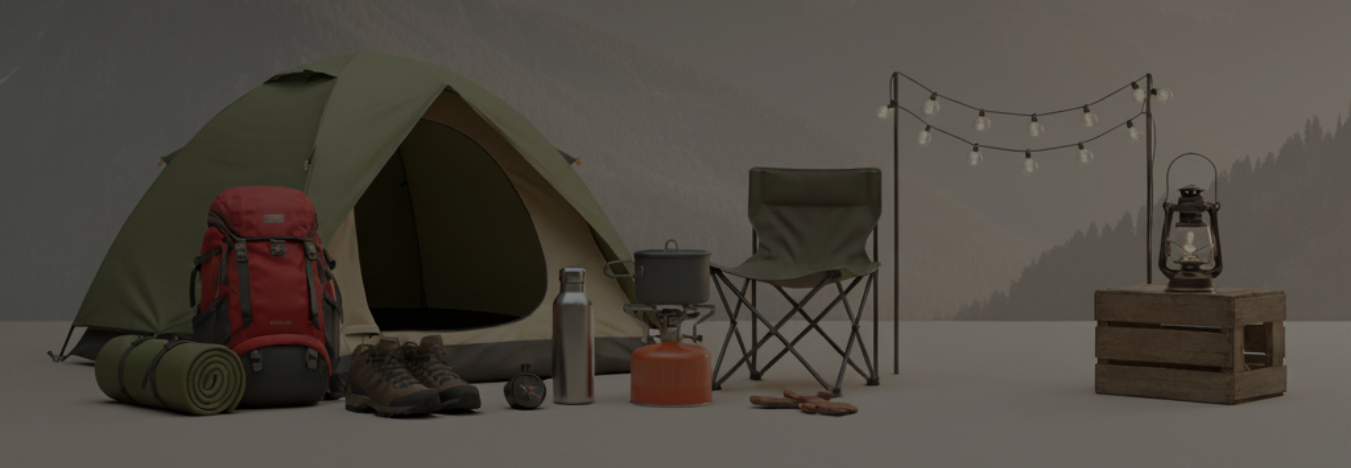
Packing the right gear is essential for a safe and comfortable camping trip. This includes items such as tents, sleeping bags, stoves, and first aid kits. Consider the terrain, weather, and your level of experience when selecting gear, and always pack extra supplies in case of emergencies. A well-stocked backpack can help you navigate unexpected challenges and ensure a successful trip.
Safety and Survival Techniques
Safety and survival techniques are critical skills for any camper or navigator. These include knowledge of first aid, shelter building, and fire starting, as well as strategies for dealing with emergencies such as inclement weather, injuries, and wildlife encounters. In this section, we’ll explore the essential safety and survival techniques you need to know to stay safe and alive in the wilderness.
First Aid and Emergency Response
First aid and emergency response are critical skills for any camper or navigator. Know how to treat common injuries such as cuts, burns, and broken bones, and be prepared to respond to emergencies such as heart attacks, strokes, and allergic reactions. Carry a first aid kit with essential supplies, and know how to use them effectively.
Shelter Building and Fire Starting
Shelter building and fire starting are essential skills for surviving in the wilderness. Know how to build a shelter using natural materials such as leaves, branches, and snow, and learn how to start a fire using matches, lighters, and other tools. A warm and dry shelter can help you stay safe and comfortable, while a fire can provide light, warmth, and a means of cooking.
Navigation Techniques
Navigation techniques are critical skills for any camper or navigator. These include knowledge of map reading, compass use, and GPS navigation, as well as strategies for dealing with challenging terrain and weather conditions. In this section, we’ll explore the essential navigation techniques you need to know to find your way in the wilderness.
Map Reading and Compass Use
Map reading and compass use are fundamental skills for navigation. Know how to read a map, use a compass, and combine these tools to determine your location and plan your route. Understand how to identify landmarks, follow trails, and navigate using natural features such as the sun, moon, and stars.
GPS Navigation and Route Finding
GPS navigation and route finding are essential skills for navigating the wilderness. Know how to use a GPS device to determine your location, plan your route, and stay on track. Understand how to identify waypoints, follow trails, and navigate using GPS coordinates and other digital tools.
Conclusion
Camping and navigation are essential skills for any outdoor enthusiast. By understanding the basics of navigation, planning and preparation, safety and survival techniques, and navigation techniques, you can enhance your outdoor adventure and ensure a safe and enjoyable trip. Remember to always plan carefully, pack the right gear, and stay alert and aware of your surroundings. With practice and experience, you can become a proficient camper and navigator, and enjoy the many rewards of exploring the great outdoors. Whether you’re a seasoned camper or a beginner, these strategies will help you navigate the wilderness with confidence and enjoy a safe and memorable trip.