Welcome to your one-stop shop for all camping adventures!

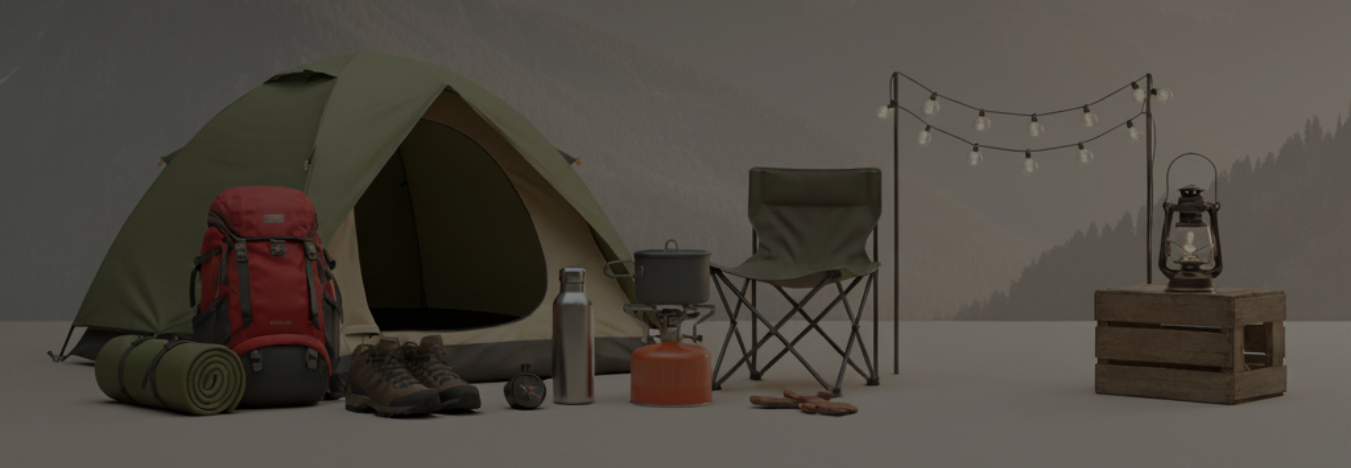
Camping Navigation: A Guide to Maps and Compasses


Get ready for your next adventure with our expert camping tips and learn how to navigate like a pro. In this comprehensive guide, we’ll share the essential skills and tools you need to find your way in the wilderness. From maps to compasses, we’ve got you covered.
Introduction to Navigation
Navigation is a crucial aspect of camping, and it’s essential to have the right skills and tools to ensure a safe and enjoyable trip. With the right knowledge, you can navigate even the most challenging terrain with confidence. In this section, we’ll introduce the basics of navigation and why it’s so important for campers.
Navigation is not just about finding your way; it’s also about being able to read signs of nature, such as the position of the sun, stars, and landmarks. By developing your navigation skills, you’ll be able to explore the wilderness with greater freedom and confidence. Whether you’re a seasoned camper or just starting out, this guide will provide you with the essential knowledge and skills to navigate like a pro.
Why Navigation is Important
Navigation is critical for campers because it allows you to find your way back to camp, avoid getting lost, and respond to emergencies. Without proper navigation skills, you may find yourself disoriented and vulnerable to the elements. By learning how to navigate, you’ll be able to enjoy the wilderness with greater peace of mind and confidence.
Additionally, navigation skills can also enhance your overall camping experience. By being able to read maps and use a compass, you’ll be able to explore new areas, discover hidden gems, and experience the thrill of adventure. Whether you’re hiking, backpacking, or car camping, navigation skills are essential for a safe and enjoyable trip.
Understanding Maps
Maps are an essential tool for navigation, and understanding how to read them is crucial for campers. In this section, we’ll cover the basics of map reading, including how to identify landmarks, read contours, and use scales. We’ll also discuss the different types of maps available, including topographic maps, trail maps, and GPS maps.
A topographic map is a detailed map that shows the shape and features of the land, including hills, valleys, and bodies of water. These maps are essential for campers because they provide a detailed picture of the terrain and allow you to plan your route. Topographic maps are typically printed on a scale of 1:24,000 or 1:62,500, which means that one inch on the map represents 24,000 or 62,500 inches on the ground.
How to Read a Map
Reading a map requires a combination of skills, including the ability to identify landmarks, read contours, and use scales. To start, look for prominent features such as mountains, rivers, and lakes, which can help you orient the map. Next, look for contour lines, which indicate the shape and elevation of the land. Contour lines that are close together indicate steep terrain, while lines that are far apart indicate gentle slopes.
Once you’ve identified the major features and contours, use the scale to measure distances and estimate travel times. The scale will typically be indicated in the legend, which is usually located in the corner of the map. By using the scale, you can estimate how long it will take to hike between two points and plan your route accordingly.
Using a Compass
A compass is a vital tool for navigation, and it’s essential to know how to use it correctly. In this section, we’ll cover the basics of compass use, including how to hold the compass, read the dial, and take bearings. We’ll also discuss the different types of compasses available, including baseplate compasses, lensatic compasses, and GPS compasses.
A baseplate compass is the most common type of compass and consists of a magnetic needle, a rotating bezel, and a baseplate. To use a baseplate compass, hold it level and turn the bezel until the magnetic needle aligns with the magnetic north indicator. Once the needle is aligned, read the direction-of-travel arrow, which will indicate the direction you need to go.
How to Take a Bearing
Taking a bearing is an essential skill for navigation, and it involves using the compass to determine the direction to a landmark or destination. To take a bearing, hold the compass level and turn the bezel until the magnetic needle aligns with the magnetic north indicator. Next, identify the landmark or destination and place the direction-of-travel arrow on the compass in the direction of the landmark.
Once you’ve taken the bearing, read the degree marking on the bezel, which will indicate the direction to the landmark. You can then use this bearing to navigate to the landmark, using the compass to stay on course. By taking regular bearings, you can ensure that you’re staying on track and avoid getting lost.
GPS Navigation
GPS (Global Positioning System) navigation is a modern technology that uses satellites to provide location information. GPS devices are widely available and can be used in conjunction with maps and compasses to provide accurate navigation. In this section, we’ll cover the basics of GPS navigation, including how to use a GPS device, read GPS coordinates, and mark waypoints.
A GPS device is a handheld unit that receives signals from a network of satellites orbiting the Earth. To use a GPS device, turn it on and wait for it to acquire a signal, which can take several minutes. Once the device has acquired a signal, you can enter the coordinates of your destination and follow the directions provided by the device.
How to Use a GPS Device
Using a GPS device is relatively straightforward, but it does require some practice to get used to. To start, enter the coordinates of your destination and select the route you want to take. The device will then provide turn-by-turn directions, which you can follow to reach your destination. You can also use the device to mark waypoints, which are reference points that you can use to navigate.
One of the advantages of GPS navigation is that it provides accurate location information, even in areas with limited visibility. However, GPS devices do require batteries and can be affected by weather conditions, such as heavy cloud cover or steep terrain. By using a GPS device in conjunction with a map and compass, you can ensure that you have a reliable means of navigation.
Conclusion
In conclusion, navigation is a critical aspect of camping, and it requires a combination of skills and tools. By understanding how to read maps, use a compass, and navigate with GPS, you can ensure a safe and enjoyable trip. Remember to always carry a map, compass, and GPS device with you, and know how to use them in case of an emergency.
Additionally, it’s essential to practice your navigation skills before heading out on a trip. Take some time to review your map and compass skills, and practice using a GPS device. By being prepared and having the right skills and tools, you can navigate the wilderness with confidence and enjoy the beauty of nature. Happy camping!