Welcome to your one-stop shop for all camping adventures!

Camping and Self-Reflection: How to Use Nature for Personal Growth


Are you looking for a way to disconnect from the hustle and bustle of daily life and reconnect with yourself and nature? In this comprehensive guide, we’ll share effective camping tips and strategies for using nature as a catalyst for personal growth and self-reflection. From preparing for your trip to integrating your experiences into your daily life, these tips will help you cultivate a deeper understanding of yourself and the world around you.
Introduction to Camping and Self-Reflection
Camping has long been a popular activity for those seeking adventure and a connection with nature. However, it can also be a powerful tool for personal growth and self-reflection. By immersing ourselves in the natural world, we can gain a new perspective on our lives and develop a greater understanding of our values, goals, and motivations. In this article, we’ll explore the ways in which camping can be used for self-reflection and personal growth, and provide tips and strategies for getting the most out of your camping experience.
Benefits of Camping for Self-Reflection
One of the primary benefits of camping for self-reflection is the opportunity to disconnect from the distractions of daily life and focus on our inner experiences. Without the constant bombardment of social media, email, and text messages, we can quiet our minds and tune into our thoughts, feelings, and intuition. Additionally, the peaceful and serene environment of nature can help to calm our nerves and reduce stress, making it easier to access our inner wisdom.
Preparing for Your Camping Trip
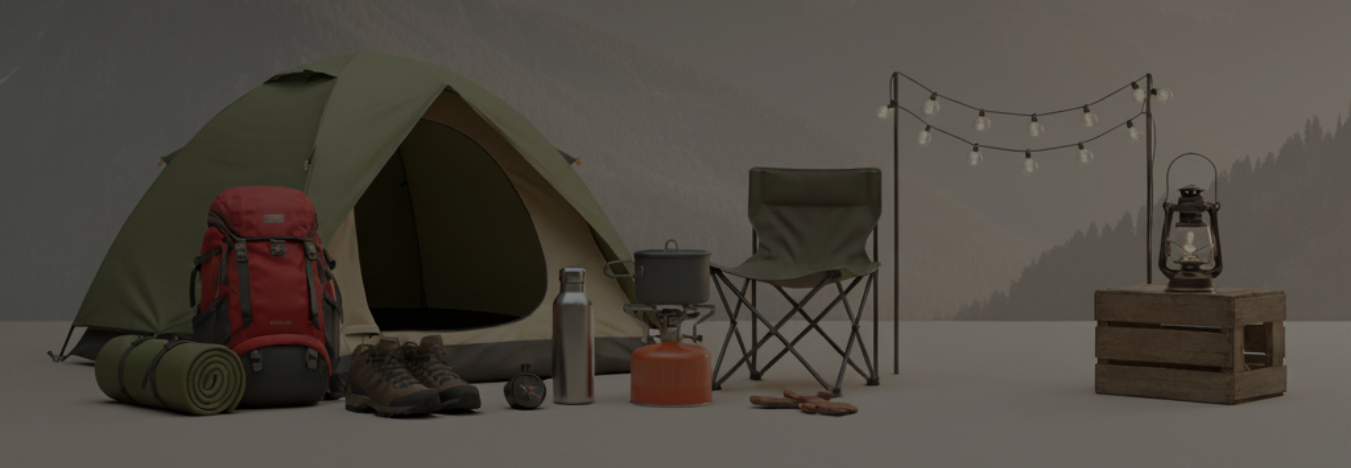
Before you head out on your camping trip, it’s essential to prepare yourself physically, emotionally, and mentally. This includes packing the right gear, such as a tent, sleeping bag, and clothing, as well as bringing plenty of food and water. It’s also crucial to set clear intentions for your trip, such as what you hope to achieve or learn, and to create a safe and supportive environment for self-reflection.
The Camping Experience
The camping experience itself is a vital part of the self-reflection process. Being in nature can be a powerful catalyst for introspection, as it allows us to tap into our natural rhythms and cycles. By paying attention to the sights, sounds, and smells of the natural world, we can gain a deeper understanding of ourselves and our place in the world.
Connecting with Nature
One of the most effective ways to connect with nature while camping is to engage in activities such as hiking, swimming, or simply sitting in silence. These activities can help us to slow down and tune into the natural world, allowing us to access our inner wisdom and gain new insights. Additionally, spending time in nature can help to reduce stress and anxiety, making it easier to focus on our inner experiences.
Journaling and Reflection
Journaling and reflection are also essential components of the camping experience. By writing down our thoughts, feelings, and insights, we can process our experiences and gain a deeper understanding of ourselves. Reflection can also help us to identify patterns and themes in our lives, allowing us to make positive changes and grow as individuals.
Integrating Your Experiences into Daily Life
After your camping trip, it’s essential to integrate your experiences into your daily life. This can involve setting new goals or intentions, practicing mindfulness or meditation, or simply taking time to appreciate the beauty of nature. By incorporating the lessons and insights we’ve gained from our camping experience into our daily lives, we can continue to grow and evolve as individuals.
Creating a Self-Reflection Practice
Creating a self-reflection practice is a great way to continue the process of personal growth and self-awareness after your camping trip. This can involve setting aside time each day to journal or meditate, or simply taking a few moments to reflect on your experiences and insights. By making self-reflection a regular part of our lives, we can continue to learn and grow, even after our camping trip has ended.
Overcoming Challenges and Setbacks
Finally, it’s essential to be prepared for challenges and setbacks, both during and after your camping trip. This can involve developing coping strategies, such as mindfulness or deep breathing, or seeking support from friends, family, or a therapist. By being prepared for challenges and setbacks, we can continue to grow and evolve, even in the face of adversity.
Conclusion
In conclusion, camping can be a powerful tool for personal growth and self-reflection. By immersing ourselves in the natural world, we can gain a new perspective on our lives, develop a greater understanding of our values and goals, and cultivate a deeper sense of self-awareness. By following the tips and strategies outlined in this article, you can use camping as a catalyst for personal growth and self-reflection, and continue to learn and grow long after your trip has ended. Remember to stay open-minded, be patient, and trust the process, and you’ll be well on your way to a deeper understanding of yourself and the world around you.
Whether you’re a seasoned camper or just starting out, the great outdoors has the power to transform and inspire us in ways that few other experiences can. So why not give it a try? Pack your bags, grab your tent, and head out into the wilderness. You never know what insights and discoveries you might make along the way. With effective camping tips and a willingness to learn and grow, you can use nature as a catalyst for personal growth and self-reflection, and start living the life you’ve always wanted.