Welcome to your one-stop shop for all camping adventures!

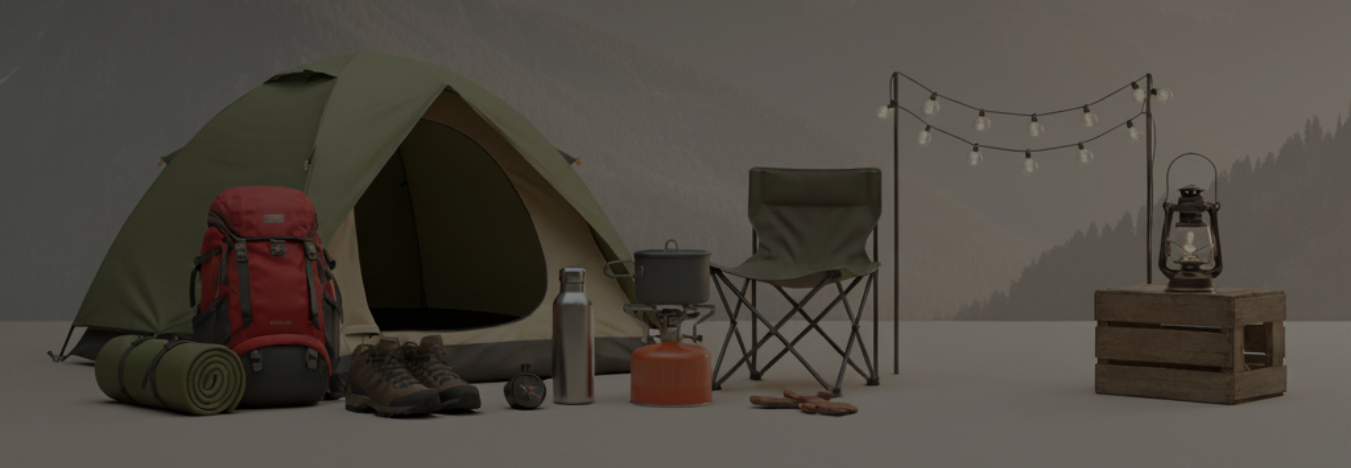
The Ultimate Guide to Hiking Gear for Beginners


Discover the best hiking tips and gear for an unforgettable outdoor adventure. In this comprehensive guide, we’ll cover everything from backpacks to footwear, helping you prepare for a safe and enjoyable hiking experience. Whether you’re a seasoned hiker or just starting out, this guide will provide you with the essential knowledge to hit the trails with confidence.
Introduction to Hiking Gear
Hiking is a great way to connect with nature, challenge yourself physically, and enjoy breathtaking scenery. However, having the right gear can make all the difference between a successful and enjoyable hike, and a disappointing or even dangerous one. In this section, we’ll introduce the basic concepts of hiking gear and why it’s essential for a great hiking experience.
From the type of hike you’re planning to the terrain and weather conditions, your gear will play a crucial role in keeping you safe and comfortable. In the following sections, we’ll dive deeper into the specifics of hiking gear, covering topics such as backpacks, clothing, and footwear.
Types of Hiking
Before you start shopping for gear, it’s essential to consider the type of hiking you’ll be doing. Day hiking, backpacking, and thru-hiking all require different types and amounts of gear. Day hiking, for example, typically requires less gear than backpacking, while thru-hiking requires careful planning and a lightweight, yet durable, set of gear.
Understanding the type of hike you’re planning will help you determine the essential gear you’ll need, and we’ll cover the specifics of each type of hike in the following sections.
Hiking Backpacks and Accessories
A good hiking backpack is essential for carrying all your gear, and there are several factors to consider when choosing the right one. Capacity, fit, and features such as hip belts and pockets will all impact your hiking experience. In this section, we’ll cover the key considerations for selecting a hiking backpack and accessories such as trekking poles and water bottles.
When choosing a backpack, consider the capacity you’ll need, as well as the fit and comfort. A well-fitting backpack with a hip belt and padded shoulder straps can make a big difference on long hikes. Additionally, features such as pockets and compartments can help keep your gear organized and easily accessible.
Trekking Poles and Accessories
Trekking poles can be a valuable addition to your hiking gear, providing stability and support on uneven terrain. When choosing trekking poles, consider the material, weight, and adjustability. Collapsible poles are a great option for backpacking, as they can be easily stowed away when not in use.
Other accessories such as water bottles and hydration bladders can also enhance your hiking experience. Insulated water bottles can keep your drinks hot or cold for hours, while hydration bladders provide a convenient and hands-free way to stay hydrated on the go.
Clothing and Footwear for Hiking
Appropriate clothing and footwear are crucial for a safe and enjoyable hiking experience. In this section, we’ll cover the key considerations for selecting hiking clothing and footwear, including moisture-wicking fabrics, waterproofing, and insulation.
When it comes to clothing, consider the activity level, weather conditions, and terrain. Moisture-wicking fabrics such as merino wool and synthetic fabrics can help keep you dry and comfortable, while waterproof and breathable membranes such as Gore-Tex can provide protection from the elements.
Footwear for Hiking
Footwear is one of the most critical components of hiking gear, and there are several factors to consider when choosing the right shoes or boots. Traction, ankle support, and waterproofing are all essential features to look for, and we’ll cover the specifics of each in this section.
When selecting hiking footwear, consider the terrain and weather conditions. Trail running shoes, for example, are designed for smooth trails and dry conditions, while hiking boots provide more support and protection for rugged terrain and wet conditions.
Safety and Emergency Gear
Safety and emergency gear are essential components of any hiking kit, and can help you respond to unexpected situations such as injuries or inclement weather. In this section, we’ll cover the key considerations for selecting safety and emergency gear, including first aid kits, headlamps, and emergency shelters.
A first aid kit should include basic supplies such as bandages, antiseptic wipes, and pain relievers, while a headlamp or flashlight can provide light after dark. Emergency shelters such as lightweight tents or bivy sacks can provide protection from the elements in case of an unexpected overnight stay.
Navigation and Communication
Navigation and communication are critical components of hiking safety, and can help you stay on track and call for help in case of an emergency. In this section, we’ll cover the key considerations for selecting navigation and communication gear, including maps, compasses, and satellite phones.
A map and compass are essential navigation tools, and can help you stay on track even in areas with limited cell phone coverage. Satellite phones and personal locator beacons (PLBs) can provide a reliable means of communication in case of an emergency.
Conclusion
In conclusion, hiking gear is a critical component of a safe and enjoyable hiking experience. By understanding the different types of hiking, selecting the right backpack and accessories, and choosing appropriate clothing and footwear, you can set yourself up for success on the trails. Additionally, safety and emergency gear, navigation, and communication tools can help you respond to unexpected situations and stay connected with the outside world.
Remember, hiking is a fun and rewarding activity that can provide a lifetime of adventure and enjoyment. With the right gear and knowledge, you can explore the great outdoors with confidence and enthusiasm, and we hope this guide has provided you with the essential information to get started.
Whether you’re a seasoned hiker or just starting out, we encourage you to get out and explore the trails, and to always prioritize safety and responsible hiking practices. Happy trails!