Welcome to your one-stop shop for all camping adventures!

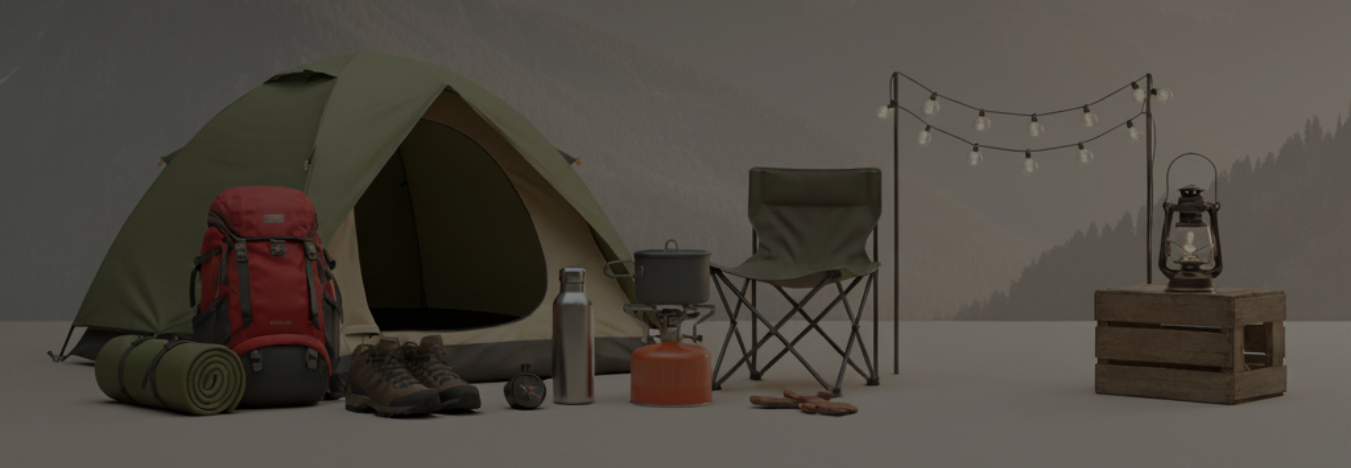
The Benefits of Camping for Mental Health


Are you looking for a way to escape the hustle and bustle of city life and reconnect with nature through camping and hiking? Spending time in the great outdoors can have a profound impact on both physical and mental well-being. In this article, we’ll explore the benefits of camping for mental health and why it’s an excellent way to reduce stress and improve overall wellness.
Introduction to Camping and Mental Health
Camping and hiking are popular outdoor activities that offer a unique opportunity to disconnect from technology and reconnect with nature. Being in nature has been shown to have a positive impact on mental health, reducing symptoms of anxiety and depression. By spending time in the wilderness, individuals can quiet their minds, challenge themselves physically, and develop a greater sense of self-awareness.
The Benefits of Nature for Mental Health
Studies have consistently shown that spending time in nature can have a positive impact on mental health. Being in nature has been shown to reduce symptoms of anxiety and depression, improve mood, and even reduce stress levels. The peaceful surroundings and natural beauty of the outdoors provide a sense of calm and tranquility, allowing individuals to relax and unwind.
The Impact of Camping on Mental Health
Camping, in particular, offers a unique set of benefits for mental health. The physical activity involved in camping, such as hiking and setting up camp, can help reduce stress and anxiety by releasing endorphins, also known as “feel-good” hormones. Additionally, the sense of accomplishment and self-reliance that comes with camping can boost self-esteem and confidence.
The Science Behind Camping and Mental Health
Research has shown that camping can have a positive impact on mental health due to the unique combination of physical activity, social interaction, and exposure to nature. The physical activity involved in camping can help reduce symptoms of anxiety and depression by releasing endorphins, while the social interaction with fellow campers can help build relationships and reduce feelings of loneliness.
The Role of Vitamin D in Mental Health
Vitamin D, which is often referred to as the “sunshine vitamin,” plays a crucial role in maintaining good mental health. Exposure to natural sunlight, which is abundant while camping, can help boost vitamin D levels, reducing the risk of depression and anxiety. Additionally, vitamin D has been shown to have a positive impact on mood, reducing symptoms of seasonal affective disorder (SAD).
The Impact of Screen Time on Mental Health
In today’s digital age, it’s easy to get caught up in the constant stream of notifications, social media updates, and endless scrolling. However, excessive screen time has been linked to an increased risk of mental health problems, including anxiety, depression, and sleep disorders. Camping provides a unique opportunity to disconnect from technology and reduce screen time, allowing individuals to recharge and refocus.
Practical Tips for Camping and Mental Health
If you’re interested in using camping as a tool for improving mental health, here are some practical tips to get you started. First, start small by planning a short camping trip with friends or family. Second, make sure to pack the essentials, including a tent, sleeping bag, and plenty of water. Finally, be sure to take time to relax and enjoy the surroundings, whether that’s reading a book, taking a hike, or simply sitting by the campfire.
Choosing the Right Campsite
When it comes to choosing a campsite, there are a few things to consider. First, look for a site that is secluded and peaceful, with minimal distractions and noise pollution. Second, consider the accessibility of the site, including the proximity to amenities and services. Finally, be sure to check the weather forecast and plan accordingly, bringing plenty of gear and supplies to ensure a comfortable and safe trip.
Building a Camping Community
Camping can be a solitary activity, but it can also be a great way to build relationships and connect with like-minded individuals. Consider joining a camping group or club, or attending a camping festival or event. These communities provide a great opportunity to meet new people, share tips and advice, and learn new skills.
Conclusion
In conclusion, camping and hiking offer a unique set of benefits for mental health, from reducing stress and anxiety to improving mood and self-esteem. By spending time in nature, individuals can quiet their minds, challenge themselves physically, and develop a greater sense of self-awareness. Whether you’re a seasoned camper or just starting out, camping is an excellent way to improve mental health and overall wellness. So why not give it a try? Pack up your tent, grab your hiking boots, and get ready to reconnect with nature and improve your mental health.