Welcome to your one-stop shop for all camping adventures!

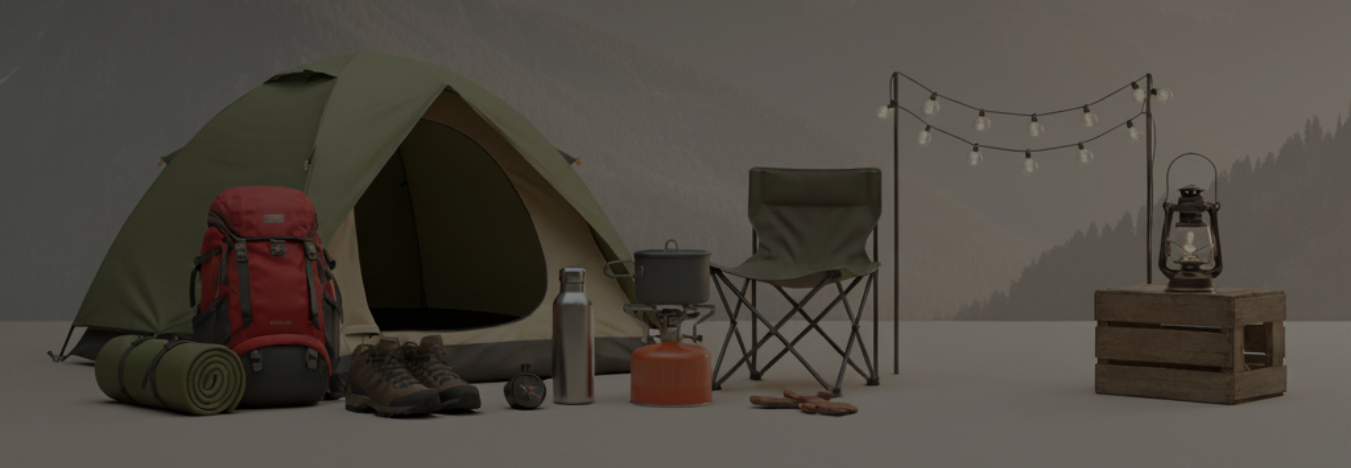
How to Prepare for a Multi-Day Hike: Tips and Essentials


Are you searching for hiking tips to tackle your next multi-day adventure? In this comprehensive guide, we’ll share expert advice and essentials to ensure a safe and enjoyable journey. From planning and preparation to gear and nutrition, we’ve got you covered.
Pre-Trip Planning
To ensure a successful multi-day hike, it’s crucial to start planning well in advance. Research the trail, checking the terrain, elevation gain, and weather conditions to determine the best time to hike. Additionally, obtain any necessary permits and make reservations for campsites or accommodations.
Choosing the Right Trail
Select a trail that suits your experience level and physical ability, taking into account the distance, elevation gain, and terrain. Consider factors such as scenic views, wildlife, and potential hazards like inclement weather or steep drop-offs. Consult with park rangers, hiking organizations, or online resources to gather information and advice.
Creating an Itinerary
Develop a detailed itinerary, including daily mileage, rest days, and emergency contingency plans. Be sure to share your plans with a friend or family member, including your expected return time and contact information. Leave a copy of your itinerary with a park ranger or local authorities, if possible.
Packing Essentials
A well-packed backpack is vital for a comfortable and safe multi-day hike. Include the following essentials: navigation tools, first aid kit, shelter, sleeping bag, and warm clothing. Don’t forget a water filter or purification tablets, as well as a portable stove and cooking pot.
Clothing and Footwear
Choose breathable, moisture-wicking clothing and sturdy, waterproof hiking boots or shoes. Pack extra socks, underwear, and a hat, as well as a warm layer for cooler evenings. Consider bringing a lightweight rain jacket and pants, and don’t forget a pair of comfortable camp shoes.
Backpack and Gear
Select a comfortable, fitted backpack with multiple compartments and pockets. Include a sleeping pad, ground tarp, and camp chair, as well as a headlamp, flashlight, or extra batteries. Bring a map, compass, and GPS device or smartphone with a GPS app, and don’t forget a personal locator beacon (PLB) or satellite phone in case of emergencies.
Nutrition and Hydration
Proper nutrition and hydration are crucial for maintaining energy levels and overall health during a multi-day hike. Pack lightweight, high-calorie foods like energy bars, nuts, and dried fruits, as well as a water filter or purification tablets.
Meal Planning
Plan your meals in advance, considering your dietary needs and preferences. Bring a portable stove and cooking pot, as well as a water bottle or hydration bladder. Don’t forget a food storage container and a small amount of dish soap and toilet paper.
Staying Hydrated
Drink plenty of water throughout the day, aiming for at least 2-3 liters per person. Bring a water filter or purification tablets, and consider a hydration bladder or water bottle with a built-in filter. Avoid drinking from untested water sources, and be mindful of signs of dehydration like headaches, fatigue, and dark urine.
Safety and Emergency Preparedness
It’s essential to be prepared for emergencies and potential hazards during a multi-day hike. Bring a first aid kit, including basic medical supplies and any personal medications. Consider taking a wilderness first aid course to learn basic medical skills and response techniques.
Emergency Shelter and Warmth
Bring a lightweight emergency shelter, such as a space blanket or bivy sack, as well as a warm hat and gloves. Consider a portable stove and fuel, as well as a fire starter or matches. Know how to build a shelter and start a fire, and be prepared for changing weather conditions.
Communication and Navigation
Bring a map, compass, and GPS device or smartphone with a GPS app, as well as a personal locator beacon (PLB) or satellite phone. Know how to use your navigation tools, and consider bringing a two-way radio or satellite phone for emergency communication.
Physical Conditioning and Mental Preparation
A multi-day hike requires physical endurance and mental toughness. Start training several months in advance, incorporating cardiovascular exercise, strength training, and flexibility exercises. Practice hiking with a loaded backpack and build up your mileage gradually.
Building Endurance
Incorporate interval training, hill repeats, and long hikes into your workout routine. Focus on building leg strength, core stability, and cardiovascular endurance. Consider working with a personal trainer or fitness coach to develop a customized training plan.
Mental Preparation
Prepare yourself mentally for the challenges of a multi-day hike, including inclement weather, steep terrain, and physical exhaustion. Practice mindfulness, meditation, and positive self-talk, and consider keeping a hiking journal to track your progress and reflect on your experiences.
Conclusion
A multi-day hike requires careful planning, preparation, and attention to detail. By following these essential tips and packing the right gear, you’ll be well-equipped to tackle your next adventure. Remember to stay flexible, adapt to changing conditions, and prioritize your safety and well-being above all else. Happy trails!