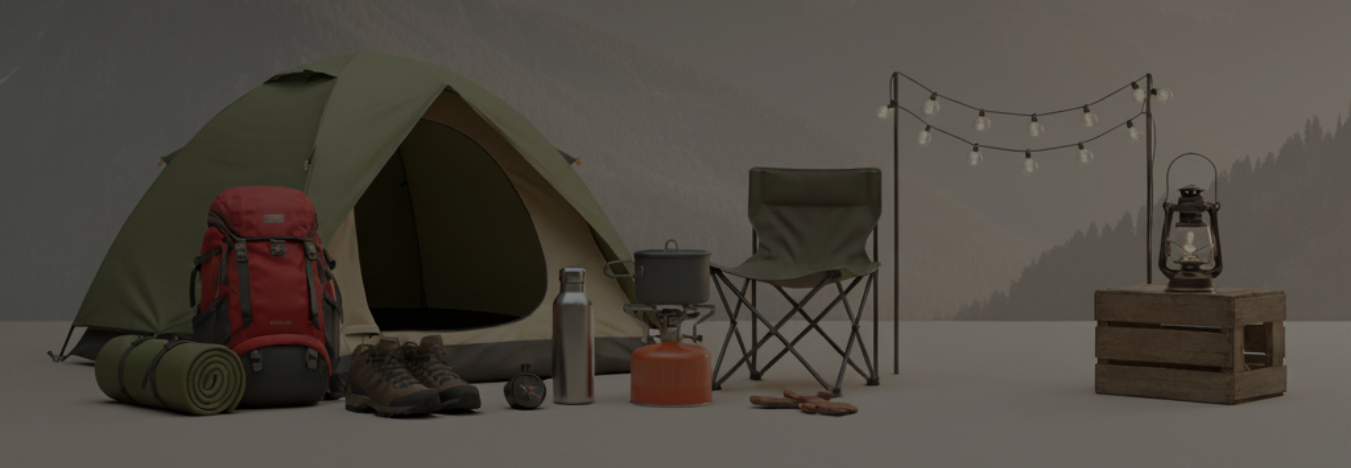
Welcome to your one-stop shop for all camping adventures!

Hiking with a Map and Compass: Tips and Tricks for Navigation

Get ready for an adventure with these essential hiking tips, and learn how to navigate like a pro with a map and compass. From beginner-friendly techniques to expert-level strategies, this guide has got you covered. Let’s dive in and explore the great outdoors!
Introduction to Navigation
Navigating with a map and compass is an essential skill for any hiker, and it’s not as complicated as you might think. With a little practice, you’ll be able to find your way through even the most challenging terrain. Start by understanding the basics of map reading and compass use.
A map is a two-dimensional representation of the terrain, showing features like trails, roads, and landmarks. A compass, on the other hand, is a tool that indicates direction, using a magnetic needle to point towards the Earth’s magnetic north. Together, they’re an unbeatable team.
Understanding Map Symbols and Legends
A map’s legend is the key to understanding the symbols and markings used to represent different features. Take the time to study the legend, and you’ll be able to decipher the map like a pro. Look for symbols indicating trails, campsites, water sources, and other important features.
Pay attention to the map’s scale, which indicates the relationship between the map and the real world. A 1:24,000 scale map, for example, means that one inch on the map represents 24,000 inches in the real world. This will help you estimate distances and plan your route.
Using a Compass
A compass is a simple yet powerful tool that can help you navigate even the most unfamiliar terrain. To use a compass, start by holding it level and turning the dial until the magnetic needle aligns with the magnetic north indicator. Then, rotate the bezel to set your desired direction.
There are several types of compasses available, including baseplate compasses, lensatic compasses, and electronic compasses. Baseplate compasses are the most common type and are suitable for most hiking applications. Lensatic compasses are more precise but can be more difficult to use.
Taking a Bearing
Taking a bearing is the process of using your compass to determine the direction to a specific landmark or destination. To take a bearing, hold your compass level and turn the dial until the magnetic needle aligns with the magnetic north indicator. Then, rotate the bezel to set your desired direction.
Use the compass’s direction-of-travel arrow to guide you towards your destination. Make sure to take a bearing regularly to stay on track, especially in areas with limited visibility or confusing terrain.
Navigating with a Map and Compass
Now that you’ve mastered the basics of map reading and compass use, it’s time to put your skills into practice. Start by planning your route, using your map to identify the best trail and any potential hazards. Then, use your compass to take a bearing and guide you towards your destination.
As you hike, regularly check your map and compass to ensure you’re on track. Use landmarks and other features to help you navigate, and don’t be afraid to ask for help if you become lost or disoriented.
Triangulation and Resection
Triangulation and resection are two advanced navigation techniques that can help you pinpoint your location. Triangulation involves taking bearings to multiple landmarks and using the intersection of those bearings to determine your location. Resection involves taking a bearing to a known landmark and using that bearing to determine your location.
These techniques require practice and patience, but they can be invaluable in situations where you’re unsure of your location. Take the time to master them, and you’ll be able to navigate even the most challenging terrain with confidence.
Additional Tips and Tricks
In addition to mastering the basics of map reading and compass use, there are several other tips and tricks that can help you navigate like a pro. Always carry a map and compass with you, even on short hikes, and make sure to let someone know your itinerary and expected return time.
Use a GPS device or smartphone app to supplement your navigation, but don’t rely solely on technology. Batteries can die, and signals can be lost, so it’s essential to have a backup plan. Take a navigation course or practice with an experienced guide to build your skills and confidence.
Common Navigation Mistakes
Even experienced hikers can make mistakes when it comes to navigation. One of the most common mistakes is failing to take a bearing regularly, which can lead to becoming lost or disoriented. Another mistake is relying too heavily on technology, which can be unreliable in areas with limited visibility or signal strength.
Avoid these mistakes by staying vigilant and using your map and compass regularly. Take the time to practice and build your skills, and you’ll be able to navigate even the most challenging terrain with confidence.
Conclusion
Navigating with a map and compass is a valuable skill that can help you explore the great outdoors with confidence. By mastering the basics of map reading and compass use, and using additional techniques like triangulation and resection, you’ll be able to find your way through even the most challenging terrain. Remember to stay vigilant, use your map and compass regularly, and don’t be afraid to ask for help if you become lost or disoriented.
With practice and patience, you’ll become a pro at navigating with a map and compass. So why wait? Get out there and start exploring – the great outdoors is waiting for you! Whether you’re a seasoned hiker or just starting out, these hiking tips will help you navigate like a pro and make the most of your outdoor adventures.