Welcome to your one-stop shop for all camping adventures!

General Camping Tips (1-10)


Are you planning a camping trip and looking for some valuable camping tips to ensure a safe and enjoyable outdoor adventure? In this comprehensive guide, we’ll share 10 essential general camping tips to help you prepare and make the most of your camping experience. From choosing the right gear to navigating through the wilderness, these tips will cover everything you need to know to have a successful and memorable camping trip.
Pre-Trip Planning
Research and Choose a Campsite
Before you start packing, research and choose a campsite that suits your needs and preferences. Consider factors such as location, terrain, and amenities to ensure a comfortable and enjoyable stay. Look for campsites with good reviews and check the weather forecast to avoid any unexpected surprises.
Check the Weather Forecast
Always check the weather forecast before your trip to ensure you’re prepared for any conditions. Pack accordingly, and make sure you have the necessary gear to stay dry and warm. A waterproof tent and sleeping bag can be a lifesaver in case of unexpected rain or cold weather.
Pack Essential Gear
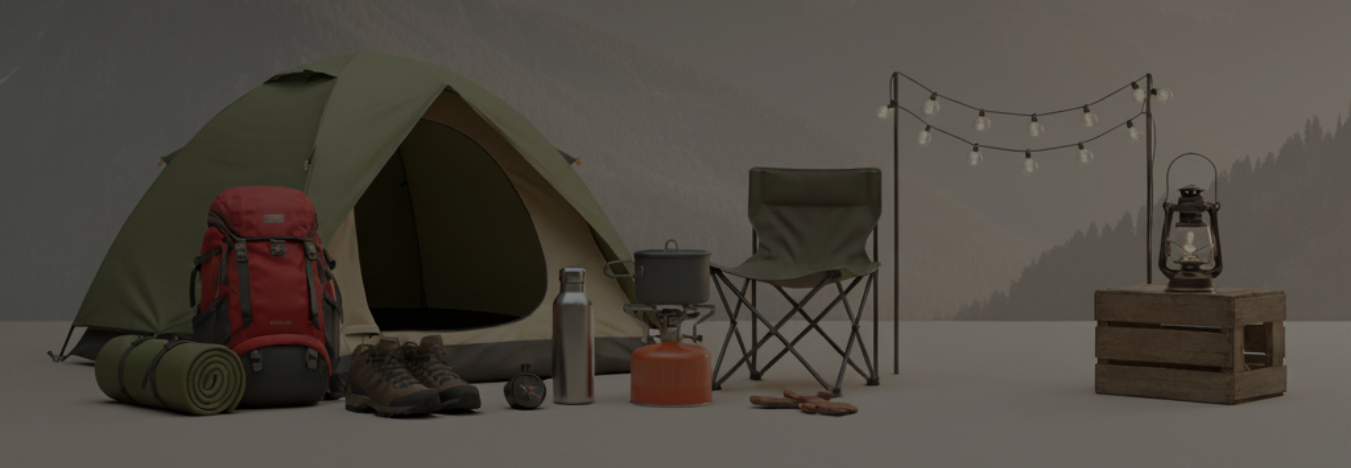
Make a list of essential gear you’ll need for your trip, including a tent, sleeping bag, backpack, and cooking equipment. Don’t forget to pack extra batteries, a first aid kit, and a map to ensure you’re prepared for any situation. It’s also a good idea to pack a portable stove and cooking pot to make mealtime easier.
Camping Safety
Set Up a Safe Campsite
When setting up your campsite, choose a flat area away from standing water and potential flood zones. Make sure to clear the area of any debris and rocks to prevent tripping hazards. Also, keep a safe distance from wildlife and other campers to ensure a peaceful and safe stay.
Start a Safe Campfire
If you plan to have a campfire, make sure to follow safety guidelines to avoid accidents. Choose a safe location for your fire pit, and keep a bucket of water or a fire extinguisher nearby. Never leave a campfire unattended, and make sure to fully extinguish it before leaving your campsite.
Store Food and Trash Properly
To avoid attracting wildlife to your campsite, store food and trash properly in airtight containers. Keep a clean campsite, and dispose of trash regularly to prevent the spread of disease. Make sure to follow local regulations and guidelines for food storage and disposal.
Camping Etiquette
Respect Other Campers
When camping in a shared campsite, be respectful of other campers and keep noise levels down. Avoid playing music or having loud conversations, especially after dark. Also, be mindful of your campsite’s boundaries and avoid trespassing on neighboring sites.
Follow Campsite Rules
Familiarize yourself with the campsite’s rules and regulations to avoid any fines or penalties. Pay attention to quiet hours, generator use, and waste disposal guidelines to ensure a smooth and enjoyable stay. Don’t hesitate to ask campsite staff or rangers if you have any questions or concerns.
Leave No Trace
When leaving your campsite, make sure to leave no trace of your presence. Pack up all your gear, and dispose of trash and waste properly. Avoid damaging the environment, and respect the natural habitat of local wildlife. Leave the campsite in the same condition as you found it, or even better.
Additional Tips
Bring a First Aid Kit
A first aid kit is essential for any camping trip, as it can help you treat minor injuries and prevent more serious conditions. Make sure to include essentials such as bandages, antiseptic wipes, and pain relievers. Don’t forget to pack any personal medications or emergency contact information.
Stay Hydrated
Staying hydrated is crucial when camping, especially in hot or high-altitude conditions. Bring enough water for drinking, cooking, and washing, and consider packing a water filter or purification tablets as a precaution. Avoid drinking from streams or lakes without proper treatment, as this can lead to waterborne illnesses.
Be Prepared for Emergencies
In case of an emergency, make sure you have a plan in place. Bring a cell phone or two-way radio to stay in touch with family and friends, and consider packing a personal locator beacon (PLB) or satellite phone in case of a serious emergency. Know what to do in case of a natural disaster, such as a wildfire or earthquake, and have a evacuation plan in place.
Conclusion
In conclusion, these 10 general camping tips will help you prepare for a safe and enjoyable outdoor adventure. From pre-trip planning to camping etiquette, these tips cover everything you need to know to have a successful and memorable camping trip. Remember to always be prepared, respect the environment, and follow safety guidelines to ensure a fun and safe experience for yourself and others. Happy camping!