Welcome to your one-stop shop for all camping adventures!

Best Sleeping Bags for Cold Weather Camping (2026 Guide)

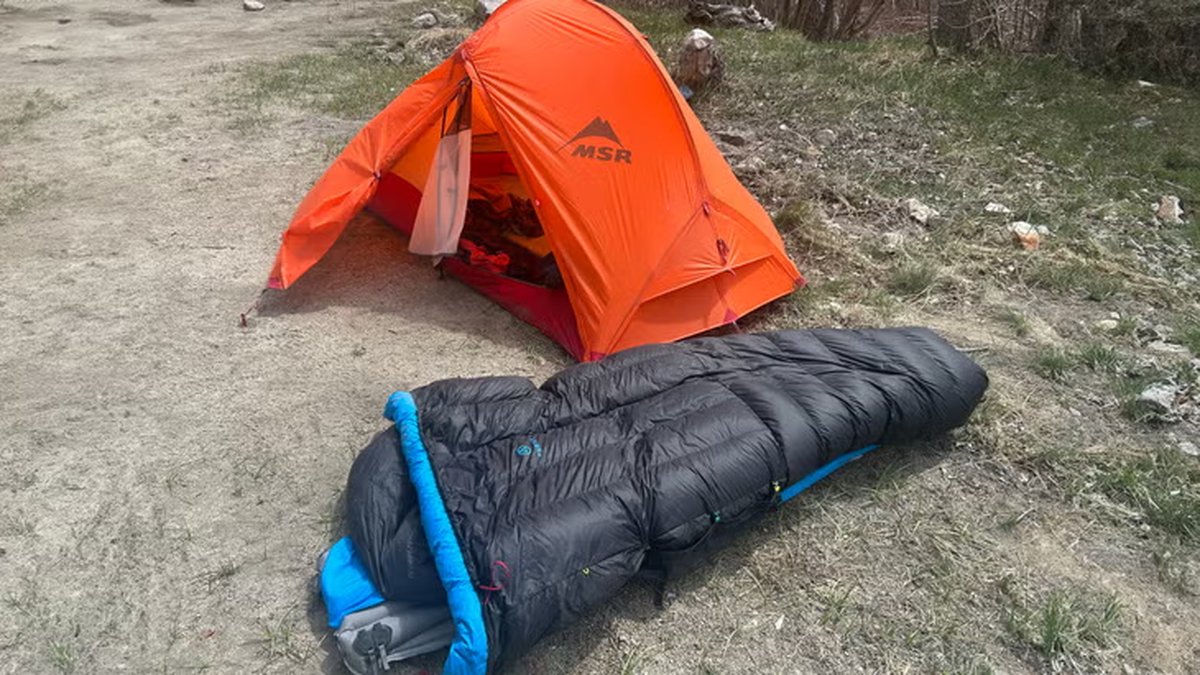
Choosing the best sleeping bags for cold weather camping becomes much easier when your sleeping bag, sleeping pad, clothing and shelter work together as one system. The best choice is not simply the model with the lowest number on its label—it is the one that matches your expected overnight low, sleeping style, trip type and budget.
Affiliate disclosure: Camp Sleep Repeat may earn a commission from qualifying Amazon purchases at no additional cost to you. Product specifications and availability can change, so verify the current details before buying. These recommendations are based on published specifications, recognized temperature-rating guidance and practical use cases; we have not personally field-tested every model listed.
Quick comparison: cold-weather sleeping bags
| Sleeping bag | Best for | Insulation | What to verify |
|---|---|---|---|
| Coleman North Rim 0°F | Budget car camping | Synthetic | Current dimensions, packed size and manufacturer temperature guidance |
| Kelty Cosmic 20 Down | Three-season backpacking | Down | Size, fill specifications and the rating for the exact version |
| RIOYALO 0 Degree | Value-focused camping | Synthetic | Current sizing, weight and temperature claims |
Our cold-weather sleeping bag picks
1. Coleman North Rim 0°F: best budget choice for car camping
The Coleman North Rim is a practical starting point for campers who prioritize warmth and price over a tiny packed size. The manufacturer markets it as a cold-weather mummy bag, while the synthetic insulation makes it a more forgiving choice in damp conditions than many budget down bags.
- Choose it if: you primarily camp near your vehicle and want an affordable cold-weather option.
- Think twice if: you must carry your sleep system for many miles or need a very compact pack.
- Verify before buying: the exact dimensions, packed weight and temperature information on the current listing.
Check the Coleman North Rim’s latest details on Amazon.
2. Kelty Cosmic 20 Down: best for weight-conscious three-season trips
The Kelty Cosmic 20 Down is designed for campers who want a better warmth-to-weight balance than a bulky synthetic car-camping bag. Down insulation usually compresses efficiently and can be a strong choice when pack space matters, provided you protect it from moisture.
- Choose it if: you backpack, value packability and expect cool three-season nights rather than severe winter conditions.
- Think twice if: your trips are consistently wet or your expected low is close to the bag’s lower rating.
- Verify before buying: the temperature rating, fill power, size and weight of the exact model offered.
Check the Kelty Cosmic 20’s latest details on Amazon.
3. RIOYALO 0 Degree: best value-focused alternative
RIOYALO’s 0 Degree sleeping bag is another synthetic option aimed at campers who want cold-weather coverage without a premium price. Its roomier, less technical design may appeal to occasional campers, but shoppers should treat the listed temperature claim as a comparison point—not a guarantee of comfort.
- Choose it if: value and room are more important than ultralight performance.
- Think twice if: you need verified backpacking weight or expedition-level performance.
- Verify before buying: current dimensions, total weight, care instructions and the manufacturer’s comfort guidance.
Check the RIOYALO’s latest details on Amazon.
How sleeping-bag temperature ratings work
Temperature labels are useful, but they do not promise that every sleeper will feel comfortable at that temperature. The ISO 23537-1 standard provides a method for testing and labeling adult sleeping bags. When standardized ratings are available, two numbers matter most:
- Comfort rating: a better starting point for cold sleepers and people who prefer a warmer night.
- Lower-limit rating: generally associated with a warmer sleeper in a curled position and should not automatically be treated as a comfort promise.
REI’s temperature-rating explanation also emphasizes that lab ratings help compare bags but cannot account for every person, pad, meal, layer or weather condition.
Use your expected overnight low—not the daytime forecast
Check the lowest forecast temperature for your exact campsite and elevation. Then build in a safety margin. A camper expecting 30°F overnight conditions should not assume that a 30°F lower-limit bag will feel comfortably warm. Cold sleepers may want a bag whose comfort rating sits roughly 10°F to 15°F below the expected low, while still considering the rest of the sleep system.
| Expected overnight low | Practical starting point | Suggested pad range |
|---|---|---|
| 40°F and above | Three-season bag with comfortable margin | R-value around 2–4 |
| 20°F–39°F | Cold-weather bag rated below expected low | R-value around 4–5.4 |
| Below 20°F | Winter-specific system and conservative margin | R-value 5.5 or higher |
These ranges are planning guidelines, not guarantees. Experience, shelter, wind, humidity, clothing and individual metabolism all matter.
Down versus synthetic insulation
Choose down when weight and packability matter
Down generally offers an excellent warmth-to-weight ratio and compresses well. It is attractive for backpackers and campers with limited space. Its disadvantages are cost and reduced performance if it becomes wet. Look for responsible sourcing information, a suitable fill specification and a shell that matches your conditions.
Choose synthetic insulation for value and damp conditions
Synthetic insulation is usually more affordable, retains more insulating ability when damp and can be easier for casual campers to maintain. It is commonly heavier and bulkier for comparable warmth, which matters less for car camping than for long backpacking trips.
Your sleeping pad is part of the warmth rating
A warm bag cannot fully compensate for heat lost into cold ground. A sleeping pad’s R-value measures resistance to heat loss: a higher number indicates more insulation. R-values can also be added when two pads are stacked. REI’s sleeping-pad guidance places roughly R 4–5.4 in a cold-weather range and 5.5 or higher for very cold conditions.
The National Park Service’s winter overnight guidance for Yosemite includes both a closed-cell foam pad and an inflatable pad alongside a bag appropriate for the expected temperature. That is a useful reminder that cold-weather sleep should be planned as a complete system.
How to choose the right bag for your trip
- Start with the coldest realistic forecast. Account for elevation, wind and changing weather.
- Choose the right rating. Favor the comfort rating when available, especially if you sleep cold.
- Match the insulation to the trip. Down suits weight-conscious dry trips; synthetic suits value and damp conditions.
- Check the fit. Too much unused space can be harder to warm, while an overly tight bag can compress insulation.
- Budget for the pad. A suitable R-value can be as important as the bag itself.
- Review packed weight and dimensions. Car campers and backpackers have very different priorities.
Browse our sleeping bags and camp bedding, compare the beginner camping kit, or pair your sleep system with appropriate tents and shelters.
Five ways to sleep warmer at camp
- Eat and hydrate before bed. Your body needs fuel to produce heat, but avoid going to bed uncomfortably full.
- Change into dry layers. Damp clothing pulls heat away from your body. Keep sleep clothes protected inside a dry bag.
- Wear a clean hat and socks. Add insulation without overstuffing the bag or restricting circulation.
- Use the hood and draft collar. Close them comfortably to reduce warm-air loss without covering your face.
- Vent before you sweat. Overheating creates moisture that can make you colder later. Adjust layers early.
Frequently asked questions
Is a 0°F sleeping bag always comfortable at 0°F?
No. The advertised number may represent a lower limit, a manufacturer estimate or a standardized result. Your comfort also depends on the pad, clothing, shelter, food, wind, humidity and personal metabolism. Look for a clearly stated comfort rating and keep a safety margin.
Can I use a sleeping-bag liner to increase warmth?
A liner can add modest warmth and keep the bag cleaner, but the actual gain varies. It should not replace a properly rated sleeping bag and insulated pad.
Should I wear lots of clothes inside my sleeping bag?
Wear dry, non-restrictive base layers and add insulation as needed. Bulky layers that compress the bag’s loft or restrict blood flow can work against you. Avoid breathing into the bag because moisture can accumulate in the insulation.
What is more important: the sleeping bag or the pad?
Both are essential. The bag reduces heat loss to the surrounding air, while the pad reduces heat loss into the ground. A poorly insulated pad can leave you cold even in a capable bag.
Final verdict
For budget car camping, the Coleman North Rim is the practical first comparison. Backpackers who prioritize packability should examine the Kelty Cosmic 20 Down. Value-focused campers can compare the RIOYALO 0 Degree, while carefully verifying its current size, weight and temperature information.
Whichever model you choose, leave room below the expected overnight low, use an appropriately insulated pad and test your complete sleep system in safer conditions before relying on it far from help. Visit our camping guides for more preparation advice and browse additional sleep-system products.
One thought on “Best Sleeping Bags for Cold Weather Camping (2026 Guide)”