Welcome to your one-stop shop for all camping adventures!

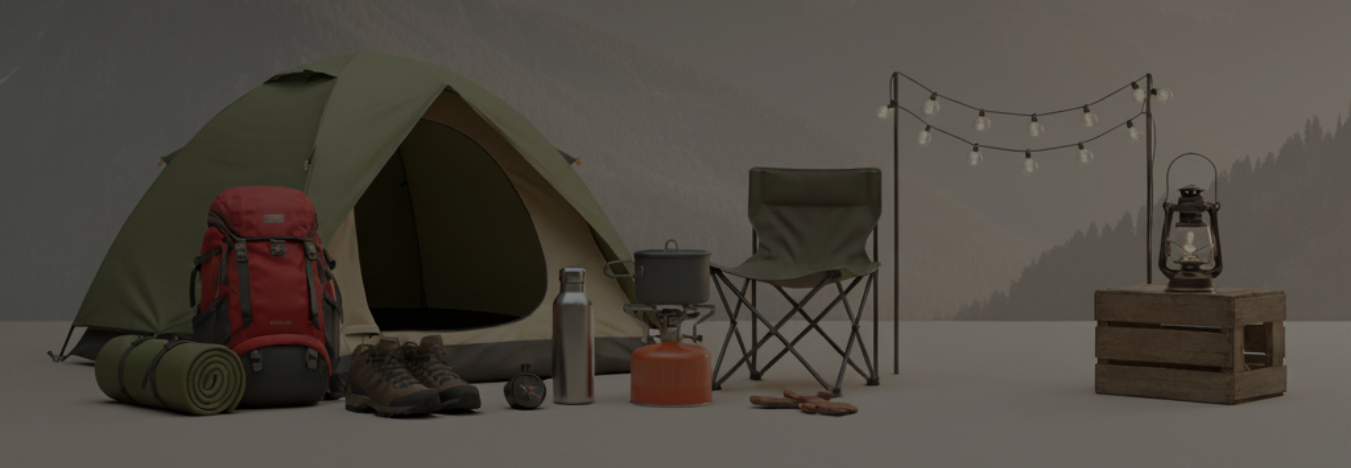
Camping Safety Tips: How to Protect Yourself and Your Gear


Are you ready for an adventure in the great outdoors, exploring the world of camping and hiking? Whether you’re a seasoned camper or a beginner, safety should always be your top priority. In this comprehensive guide, we’ll share essential camping safety tips to help you protect yourself and your gear, ensuring a fun and memorable experience.
Pre-Trip Planning
Before you head out on your camping trip, it’s crucial to plan ahead and prepare for any potential risks. Research the campsite and trail conditions, checking for any weather warnings or potential hazards. Make a checklist of essential items to pack, including a first aid kit, map, and compass.
Check the Weather Forecast
Always check the weather forecast before your trip and be prepared for changing conditions. Pack layers of clothing, a waterproof jacket, and sturdy boots to keep you dry and comfortable. Don’t forget to bring a tent with a waterproof rain fly and a warm sleeping bag to keep you cozy at night.
Choose a Safe Campsite
When selecting a campsite, look for a flat area away from standing water, steep slopes, and overhanging branches. Avoid camping in low-lying areas that may be prone to flash flooding. Make sure the site is clear of any debris, such as rocks, twigs, and leaves, to prevent tripping hazards.
Safety Essentials
When it comes to camping safety, having the right gear is vital. Make sure you have the following essentials in your backpack:
First Aid Kit
A first aid kit should include basic supplies such as bandages, antiseptic wipes, pain relievers, and any personal medications. Don’t forget to include a guidebook on basic first aid techniques. It’s also a good idea to take a first aid course before your trip to learn how to respond to emergencies.
Navigation Tools
A map, compass, and GPS device or smartphone with a GPS app are essential for navigating the wilderness. Make sure to bring extra batteries and a backup power source, such as a portable charger. It’s also a good idea to bring a paper map and compass as a backup in case your electronic devices fail.
Lighting and Fire Starters
A reliable light source, such as a headlamp or flashlight, is crucial for navigating and setting up camp in the dark. Bring extra batteries and a backup light source, such as a lantern or glow sticks. A fire starter, such as matches, a lighter, or a firesteel, is also essential for starting a campfire for warmth, cooking, and signaling for help.
Personal Safety
When camping, it’s essential to take precautions to protect yourself from potential hazards. Be aware of your surroundings and keep a safe distance from wildlife, such as bears, snakes, and other animals. Make sure to store food and trash properly to avoid attracting wildlife to your campsite.
Wildlife Encounters
When hiking or camping in areas with wildlife, be prepared for encounters with animals. Make noise while hiking to avoid surprising animals, and keep a clean campsite to avoid attracting them. Bring bear spray or other deterrents, and know how to use them properly.
Hygiene and Sanitation
Maintaining good hygiene and sanitation is crucial when camping. Bring hand sanitizer, biodegradable soap, and toilet paper to keep yourself and the environment clean. Make sure to dispose of waste properly, and follow any local regulations for waste disposal.
Emergency Preparedness
In the event of an emergency, it’s essential to be prepared. Bring a personal locator beacon (PLB) or satellite phone, and know how to use them. Make sure someone knows your itinerary and expected return time, and leave a copy of your itinerary with a friend or family member.
Emergency Shelter and Warmth
In case of an emergency, having a warm and dry shelter is crucial. Bring a lightweight emergency blanket, a space blanket, or a bivy sack to keep you warm and dry. Know how to start a fire, and bring a fire starter and tinder to keep you warm.
Signaling for Help
In the event of an emergency, signaling for help is crucial. Bring a whistle, mirror, or other signaling device to attract attention. Know how to use these devices properly, and make sure to stay visible and audible to potential rescuers.
Conclusion
Camping safety is a top priority when venturing into the great outdoors. By following these essential tips, you can protect yourself and your gear, ensuring a fun and memorable experience. Remember to plan ahead, bring the right gear, and be prepared for emergencies. With the right knowledge and preparation, you can enjoy the beauty of nature while staying safe and sound. Happy camping!