Welcome to your one-stop shop for all camping adventures!


How to Identify and Avoid Common Outdoor Hazards

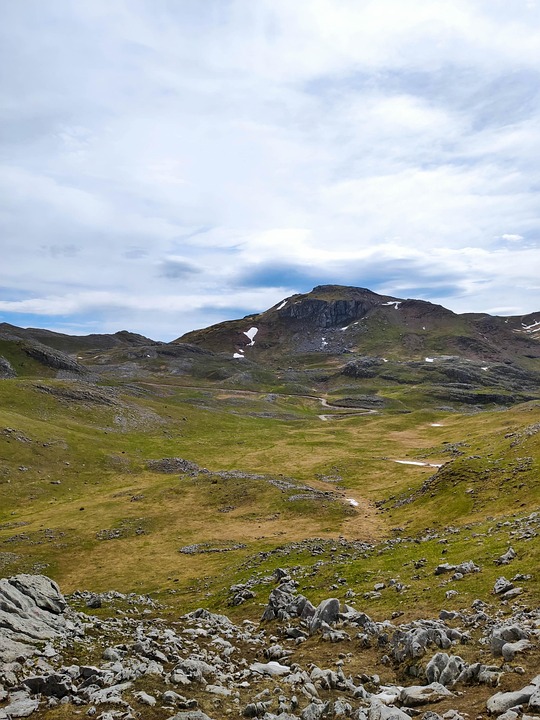
Are you planning a camping and hiking trip and want to ensure a safe and enjoyable experience? While spending time outdoors can be incredibly rewarding, it’s essential to be aware of the potential hazards that can ruin your adventure. In this comprehensive guide, we’ll share expert tips and advice on how to identify and avoid common outdoor hazards, so you can focus on making the most of your time in nature.
Understanding Outdoor Hazards
Before we dive into the specifics of identifying and avoiding hazards, it’s crucial to understand what types of dangers you may encounter while camping and hiking. Outdoor hazards can be broadly categorized into natural, environmental, and human-made threats. Natural hazards include inclement weather, wildlife encounters, and geological events, while environmental hazards encompass factors like pollution, climate change, and vegetation. Human-made hazards, on the other hand, include things like litter, abandoned mines, and poorly maintained trails.
Natural Hazards
Natural hazards are often unpredictable and can be deadly if not taken seriously. Inclement weather, such as thunderstorms, heatwaves, and blizzards, can quickly turn a pleasant hike into a life-threatening situation. Wildlife encounters, including bear attacks, snake bites, and insect stings, can also be fatal if not handled properly. Geological events like landslides, rockfalls, and earthquakes can be catastrophic, causing widespread destruction and loss of life.
Environmental Hazards
Environmental hazards, while often less dramatic than natural hazards, can still pose significant risks to outdoor enthusiasts. Pollution, for example, can contaminate water sources, making them undrinkable and potentially harmful to human health. Climate change is also having a profound impact on the environment, leading to more frequent and severe weather events, as well as altered ecosystems and habitats. Vegetation, including poisonous plants and allergenic trees, can also cause harm if not identified and avoided.
Human-Made Hazards
Human-made hazards, while often overlooked, can be just as deadly as natural and environmental hazards. Litter, including trash and abandoned gear, can attract wildlife, cause injuries, and pollute the environment. Abandoned mines, quarries, and other industrial sites can be hazardous, with hidden pitfalls, toxic substances, and unstable structures. Poorly maintained trails, including those with loose rocks, steep drop-offs, and inadequate signage, can also lead to accidents and injuries.
Identifying Outdoor Hazards
Identifying outdoor hazards requires a combination of knowledge, experience, and vigilance. When planning a camping and hiking trip, research the area thoroughly, including the weather forecast, trail conditions, and potential hazards. Always check with local authorities, park rangers, and other outdoor enthusiasts for up-to-date information and advice. When on the trail, stay alert and aware of your surroundings, watching for signs of danger, such as unusual animal behavior, strange noises, and changes in the weather.
Research and Planning
Research and planning are critical components of identifying outdoor hazards. Before embarking on a trip, gather as much information as possible about the area, including the terrain, climate, and potential hazards. Check the weather forecast and trail conditions, and plan your itinerary accordingly. Consult with local authorities, park rangers, and other outdoor enthusiasts to gain valuable insights and advice.
Staying Alert and Aware
Staying alert and aware of your surroundings is essential for identifying outdoor hazards. When on the trail, keep an eye out for signs of danger, such as unusual animal behavior, strange noises, and changes in the weather. Watch for warning signs, such as those indicating steep drop-offs, fast-moving water, or wildlife habitats. Always trust your instincts and turn back if you feel uncomfortable or sense that something is amiss.
Avoiding Outdoor Hazards
Avoiding outdoor hazards requires a combination of knowledge, experience, and common sense. When faced with a potential hazard, stay calm and assess the situation carefully. Take necessary precautions, such as carrying a first aid kit, wearing protective gear, and staying on designated trails. Always prioritize caution and err on the side of safety, turning back or seeking help if necessary.
Taking Necessary Precautions
Taking necessary precautions is critical for avoiding outdoor hazards. Always carry a first aid kit, including essentials like bandages, antiseptic wipes, and pain relievers. Wear protective gear, such as helmets, gloves, and sturdy boots, to prevent injuries. Stay on designated trails and avoid taking unnecessary risks, such as climbing steep slopes or crossing fast-moving water.
Prioritizing Caution and Safety
Prioritizing caution and safety is essential for avoiding outdoor hazards. When faced with a potential hazard, stay calm and assess the situation carefully. Take necessary precautions, such as turning back or seeking help, if you feel uncomfortable or sense that something is amiss. Always err on the side of safety and avoid taking unnecessary risks, remembering that it’s better to be safe than sorry.
Conclusion
In conclusion, identifying and avoiding common outdoor hazards is crucial for a safe and enjoyable camping and hiking experience. By understanding the types of hazards you may encounter, researching and planning your trip carefully, staying alert and aware of your surroundings, and taking necessary precautions, you can minimize the risks and make the most of your time in nature. Remember to always prioritize caution and safety, and don’t hesitate to turn back or seek help if you feel uncomfortable or sense that something is amiss. With the right knowledge, experience, and mindset, you can have a fun and memorable outdoor adventure while staying safe and sound.