

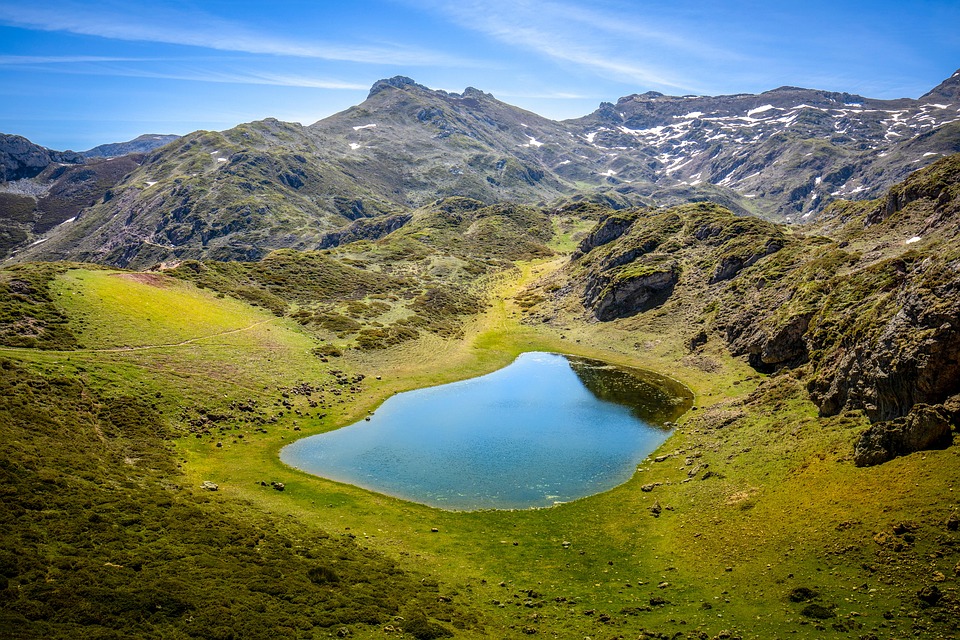
If you’re an outdoor enthusiast who enjoys camping and hiking, you might want to consider taking your adventures to the next level with backpacking. Backpacking offers a unique and exciting way to explore nature, challenge yourself, and disconnect from the hustle and bustle of daily life. Whether you’re a seasoned hiker or just starting out, backpacking can be a rewarding and transformative experience that allows you to connect with nature and push your limits.
What is Backpacking?
Backpacking is a form of outdoor adventure that involves hiking and camping in remote areas, often for multiple days at a time. It requires a combination of physical endurance, navigational skills, and knowledge of wilderness survival techniques. Backpackers typically carry all their gear, including food, shelter, and clothing, in a backpack, allowing them to move freely and explore the great outdoors.
Types of Backpacking
There are several types of backpacking, including ultralight backpacking, long-distance backpacking, and section hiking. Ultralight backpacking involves carrying the lightest possible gear, while long-distance backpacking involves hiking for hundreds or even thousands of miles. Section hiking, on the other hand, involves hiking a portion of a long-distance trail, such as the Appalachian Trail or the Pacific Crest Trail.
Benefits of Backpacking
Backpacking offers numerous benefits, both physical and mental. Some of the most significant advantages of backpacking include improved physical fitness, reduced stress, and increased self-reliance. Backpacking also provides an opportunity to disconnect from technology and reconnect with nature, which can be incredibly grounding and rejuvenating.
Physical Benefits
Backpacking is an excellent way to improve physical fitness, as it requires hiking and carrying a heavy backpack for extended periods. This can help build strength, endurance, and agility, while also reducing the risk of chronic diseases like heart disease and diabetes. Additionally, backpacking can help improve balance and coordination, as well as reduce inflammation and improve overall health.
Mental Benefits
Backpacking also has numerous mental benefits, including reduced stress and anxiety, improved mood, and increased self-confidence. Being in nature has been shown to have a calming effect on the mind and body, reducing symptoms of depression and anxiety. Additionally, the challenge of backpacking can help build resilience and perseverance, while also providing a sense of accomplishment and pride.
How to Get Started with Backpacking
If you’re new to backpacking, getting started can seem daunting. However, with the right gear, knowledge, and mindset, anyone can become a backpacker. Some essential items to consider include a backpack, tent, sleeping bag, and hiking boots. It’s also important to learn basic wilderness survival skills, such as navigation, first aid, and shelter building.
Choosing the Right Gear
Choosing the right gear is crucial for a successful backpacking trip. Some essential items to consider include a backpack, tent, sleeping bag, and hiking boots. It’s also important to choose gear that is lightweight, durable, and suitable for the terrain and weather conditions. Additionally, consider the weight and bulk of your gear, as well as its cost and value.
Learning Wilderness Survival Skills
Learning wilderness survival skills is essential for safe and successful backpacking. Some basic skills to learn include navigation, first aid, and shelter building. It’s also important to learn how to start a fire, find and purify water, and identify edible plants. Additionally, consider taking a wilderness survival course or guided backpacking trip to learn from experienced instructors.
Backpacking Safety
Backpacking safety is a top priority, as it involves venturing into remote areas with limited access to medical care and other resources. Some essential safety tips include letting someone know your itinerary, carrying a personal locator beacon (PLB) or satellite phone, and being prepared for emergencies. It’s also important to check the weather forecast and trail conditions before heading out, and to be aware of potential hazards like wildlife, steep terrain, and inclement weather.
Emergency Preparedness
Emergency preparedness is crucial for backpacking safety. Some essential items to carry include a first aid kit, headlamp, and emergency shelter. It’s also important to know how to use your gear, as well as how to respond to emergencies like injuries, illnesses, and natural disasters. Additionally, consider carrying a repair kit, as well as a map and compass or GPS device.
Conclusion
In conclusion, backpacking is a rewarding and transformative experience that offers numerous physical and mental benefits. From improved physical fitness and reduced stress, to increased self-reliance and a deeper connection with nature, backpacking has something to offer everyone. Whether you’re a seasoned hiker or just starting out, backpacking can be a fun and challenging way to explore the great outdoors and push your limits. So why not give it a try? With the right gear, knowledge, and mindset, you can embark on a backpacking adventure that will leave you feeling inspired, rejuvenated, and connected to the natural world.