

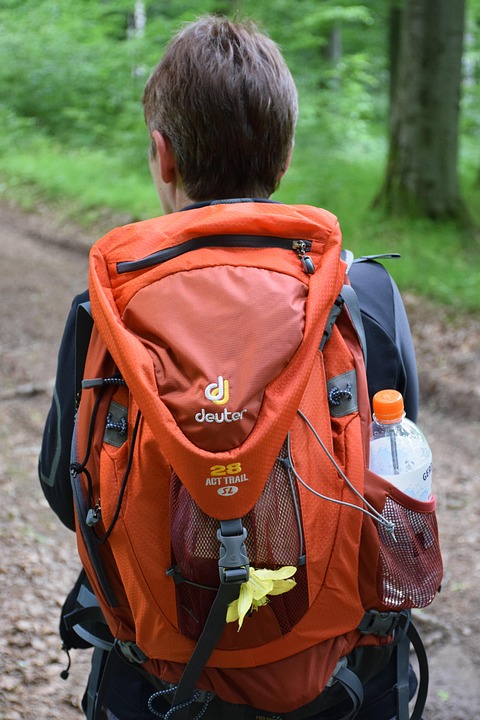
When venturing into the great outdoors, it’s essential to be prepared for unexpected encounters with wild animals, and following hiking tips can make all the difference. Whether you’re a seasoned hiker or a casual nature lover, knowing how to react in case of a wild animal encounter can save your life. In this comprehensive guide, we’ll share expert advice on how to prevent and respond to wild animal encounters, ensuring a safe and enjoyable outdoor experience.
Understanding Wild Animal Behavior
Wild animals, such as bears, mountain lions, and snakes, are an integral part of the ecosystem, and understanding their behavior is crucial for a safe coexistence. By recognizing the signs of aggression, fear, or defensiveness, you can take necessary precautions to avoid encounters or respond effectively if an encounter occurs. Most wild animals will avoid humans if possible, but they may become aggressive if they feel threatened, are protecting their young, or are habituated to human food.
Recognizing Wild Animal Habitats
Familiarizing yourself with the habitats of wild animals can help you anticipate potential encounters. For example, bears are commonly found in areas with abundant food sources, such as rivers, lakes, and forests, while mountain lions prefer rocky outcrops, canyons, and mountainous terrain. Snakes, on the other hand, are often found in areas with dense vegetation, rocks, and woodpiles. By recognizing these habitats, you can take necessary precautions, such as making noise while hiking or staying on designated trails.
Prevention is Key: Pre-Trip Planning and Preparation
Before embarking on your outdoor adventure, it’s essential to plan and prepare for potential wild animal encounters. Research the area you’ll be visiting, checking for any reported wild animal sightings or encounters. Check the weather forecast, as wild animals may be more active during certain weather conditions, such as heavy rain or extreme heat. Make sure to bring necessary gear, such as bear spray, a first aid kit, and a map, and inform someone about your itinerary and expected return time.
Packing the Right Gear
Having the right gear can make a significant difference in case of a wild animal encounter. Bear spray, for example, is an effective deterrent against bears, while a first aid kit can help you respond to injuries. A map and compass or GPS device can help you navigate the area and find your way back to civilization. Don’t forget to pack plenty of water, food, and snacks, as well as a means of starting a fire, such as a lighter or matches.
Responding to Wild Animal Encounters
If you encounter a wild animal, remain calm and follow these general guidelines. For bears, stay calm and speak in a calm, assertive voice, giving the bear a clear path to leave. Do not run, as this can trigger a chase response. For mountain lions, maintain eye contact and do not crouch down or run, as this can trigger a predatory response. For snakes, stay calm and slowly back away, giving the snake a clear path to leave.
Specific Response Guidelines
For specific wild animals, follow these response guidelines:
* For black bears, make yourself look bigger by standing up straight and spreading your arms, and use bear spray if the bear approaches.
* For grizzly bears, play dead by lying flat on the ground with your hands clasped behind your neck, and use bear spray if the bear approaches.
* For mountain lions, try to intimidate the lion by making loud noises, using any available objects as a deterrent, and fighting back if necessary.
* For snakes, wear long pants, long-sleeved shirts, and closed shoes, and avoid tall grass and brush, where snakes are commonly found.
Post-Encounter Procedures
After a wild animal encounter, it’s essential to follow post-encounter procedures to ensure your safety and the safety of others. Report the encounter to the relevant authorities, such as park rangers or local law enforcement, and provide as much detail as possible about the encounter, including the location, time, and description of the animal. If you were injured during the encounter, seek medical attention immediately, and follow any necessary treatment or quarantine procedures.
Preventing Future Encounters
To prevent future wild animal encounters, take necessary precautions, such as making noise while hiking, staying on designated trails, and keeping a clean campsite. Store food and trash properly, using bear-proof containers or hanging them from a tree at least 10 feet off the ground and 4 feet out from the trunk. Be aware of your surroundings, watching for signs of wild animals, such as tracks, scat, or digging.
Conclusion
In conclusion, wild animal encounters can be a reality when venturing into the great outdoors, but by following these essential hiking tips and safety guidelines, you can minimize the risk of an encounter and respond effectively if one occurs. Remember to research the area, plan and prepare, and pack the right gear, and always be aware of your surroundings. By taking these precautions, you can enjoy a safe and enjoyable outdoor experience, while respecting the wildlife and their habitats. Whether you’re a seasoned hiker or a casual nature lover, being prepared for wild animal encounters is essential for a fun and safe outdoor adventure.