

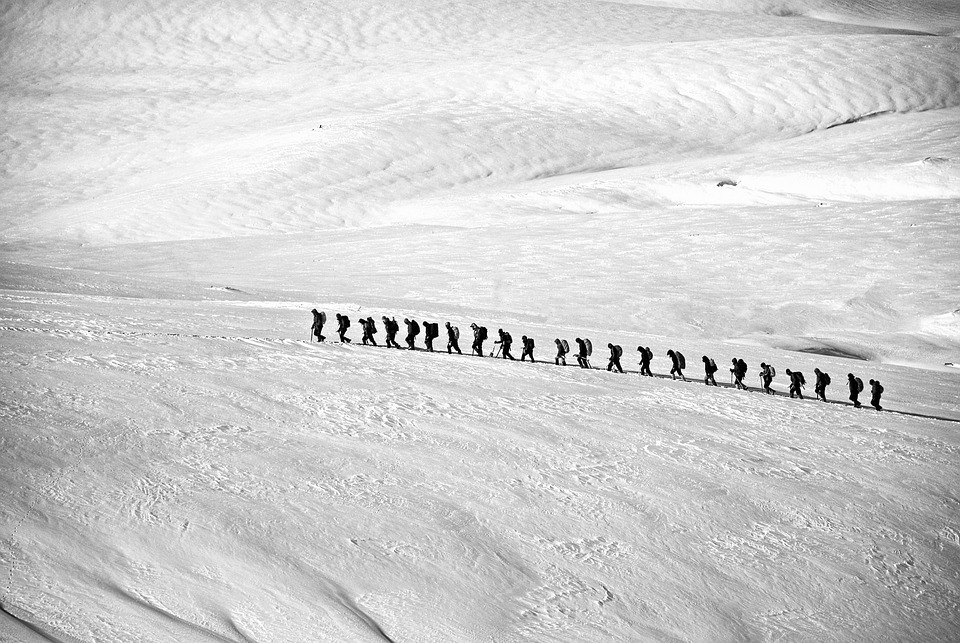
Are you ready for an adventure in camping and hiking, exploring the great outdoors and connecting with nature? Backpacking can be an exhilarating experience, but it’s essential to prioritize your safety and the well-being of the environment. In this comprehensive guide, we’ll share expert tips and advice on how to stay safe while backpacking and minimize your impact on the environment.
Pre-Trip Planning
Before embarking on your backpacking journey, it’s crucial to plan carefully and prepare for any eventuality. Research your route and destination, checking the weather forecast and trail conditions to ensure you’re aware of any potential hazards. Check with local authorities and park rangers for any regulations or restrictions, and obtain any necessary permits or licenses.
Checking the Weather
Always check the weather forecast before heading out, and be prepared for changing conditions. Bring appropriate gear, such as a waterproof jacket and warm layers, and know how to use a map and compass to navigate in case of low visibility. Consider investing in a personal locator beacon (PLB) or satellite phone, especially if you’ll be hiking in remote areas with no cell service.
Packing Essential Gear
Make sure to pack all the essential gear, including a first aid kit, headlamp, and extra batteries. Bring a water filter or purification tablets, and know how to use them to ensure access to safe drinking water. Don’t forget to pack plenty of food and snacks, and consider bringing a portable stove or camping grill to cook meals.
Safety on the Trail
Once you’re on the trail, it’s essential to stay alert and aware of your surroundings. Keep an eye out for potential hazards, such as steep drop-offs, fast-moving water, and wildlife. Stay on designated trails and avoid taking unnecessary risks, such as climbing or jumping.
Avoiding Wildlife Encounters
When hiking in areas with wildlife, it’s essential to take precautions to avoid encounters. Make noise while hiking to avoid surprising animals, and keep a clean campsite to avoid attracting wildlife. Store food and trash properly, and consider bringing bear spray or other deterrents.
Dealing with Emergencies
In the event of an emergency, stay calm and think clearly. Know how to use your gear, such as a first aid kit or emergency shelter, and have a plan in place for evacuation or rescue. Consider taking a wilderness first aid course to learn essential skills and techniques.
Environmental Impact
As a backpacker, it’s essential to minimize your impact on the environment. Follow the principles of Leave No Trace, which include disposing of waste properly, minimizing campfire impacts, and respecting wildlife and their habitats.
Reducing Waste
To reduce your waste, bring a reusable water bottle and coffee cup, and avoid single-use plastics. Pack out all trash and recyclables, and consider bringing a portable toilet or using a cathole to dispose of human waste.
Minimizing Campfire Impacts
When building a campfire, use established fire rings and keep the fire small. Fully extinguish the fire before leaving, and consider using a portable stove or camping grill instead of a campfire.
Physical and Mental Health
Backpacking can be physically and mentally demanding, so it’s essential to prioritize your health and well-being. Stay hydrated and fueled, and take regular breaks to rest and recover.
Staying Hydrated
To stay hydrated, drink plenty of water throughout the day, and consider bringing a water filter or purification tablets. Avoid drinking from untreated water sources, and know how to recognize the signs of dehydration.
Managing Stress and Fatigue
To manage stress and fatigue, take regular breaks and practice relaxation techniques, such as deep breathing or meditation. Consider bringing a book or other form of entertainment to pass the time, and prioritize getting enough sleep each night.
Conclusion
Backpacking can be a rewarding and exhilarating experience, but it’s essential to prioritize your safety and the well-being of the environment. By following these expert tips and advice, you can minimize your risk of injury or illness, reduce your impact on the environment, and have a fun and successful backpacking trip. Remember to always plan carefully, stay alert and aware on the trail, and prioritize your physical and mental health. Happy trails!
Additionally, here are some bonus tips to keep in mind:
– Always bring a map and compass, and know how to use them.
– Consider bringing a personal locator beacon (PLB) or satellite phone, especially if you’ll be hiking in remote areas with no cell service.
– Know how to recognize the signs of altitude sickness, and take steps to prevent it.
– Bring a first aid kit, and know how to use the items in it.
– Consider taking a wilderness first aid course to learn essential skills and techniques.
– Always check the weather forecast before heading out, and be prepared for changing conditions.
– Bring plenty of food and snacks, and consider bringing a portable stove or camping grill to cook meals.
– Stay on designated trails, and avoid taking unnecessary risks, such as climbing or jumping.
– Make noise while hiking to avoid surprising animals, and keep a clean campsite to avoid attracting wildlife.
– Store food and trash properly, and consider bringing bear spray or other deterrents.
– Know how to use your gear, such as a first aid kit or emergency shelter, and have a plan in place for evacuation or rescue.
– Follow the principles of Leave No Trace, and minimize your impact on the environment.
– Bring a reusable water bottle and coffee cup, and avoid single-use plastics.
– Pack out all trash and recyclables, and consider bringing a portable toilet or using a cathole to dispose of human waste.
– Use established fire rings, and keep the fire small.
– Fully extinguish the fire before leaving, and consider using a portable stove or camping grill instead of a campfire.
– Stay hydrated, and drink plenty of water throughout the day.
– Take regular breaks to rest and recover, and prioritize getting enough sleep each night.
– Consider bringing a book or other form of entertainment to pass the time, and practice relaxation techniques, such as deep breathing or meditation.
– Always let someone know your itinerary, and check in with them regularly.
– Bring a repair kit, and know how to use the items in it.
– Consider bringing a water filter or purification tablets, and know how to use them to ensure access to safe drinking water.
– Bring plenty of sunscreen, and reapply regularly to avoid sunburn.
– Consider bringing insect repellent, and know how to use it to avoid bug bites.
– Stay alert and aware on the trail, and watch for potential hazards, such as steep drop-offs, fast-moving water, and wildlife.
– Know how to recognize the signs of heat exhaustion, and take steps to prevent it.
– Bring a headlamp, and extra batteries, and know how to use them.
– Consider bringing a portable stove or camping grill, and know how to use them to cook meals.
– Always follow local regulations, and obtain any necessary permits or licenses.
– Respect wildlife and their habitats, and follow the principles of Leave No Trace.
– Bring a backpack, and know how to use it to carry all your gear.
– Consider bringing trekking poles, and know how to use them to help with balance and stability.
– Stay on designated trails, and avoid taking unnecessary risks, such as climbing or jumping.
– Make noise while hiking to avoid surprising animals, and keep a clean campsite to avoid attracting wildlife.
– Store food and trash properly, and consider bringing bear spray or other deterrents.
– Know how to use your gear, such as a first aid kit or emergency shelter, and have a plan in place for evacuation or rescue.
– Follow the principles of Leave No Trace, and minimize your impact on the environment.
– Bring a reusable water bottle and coffee cup, and avoid single-use plastics.
– Pack out all trash and recyclables, and consider bringing a portable toilet or using a cathole to dispose of human waste.
– Use established fire rings, and keep the fire small.
– Fully extinguish the fire before leaving, and consider using a portable stove or camping grill instead of a campfire.
– Stay hydrated, and drink plenty of water throughout the day.
– Take regular breaks to rest and recover, and prioritize getting enough sleep each night.
– Consider bringing a book or other form of entertainment to pass the time, and practice relaxation techniques, such as deep breathing or meditation.
– Always let someone know your itinerary, and check in with them regularly.
– Bring a repair kit, and know how to use the items in it.
– Consider bringing a water filter or purification tablets, and know how to use them to ensure access to safe drinking water.
– Bring plenty of sunscreen, and reapply regularly to avoid sunburn.
– Consider bringing insect repellent, and know how to use it to avoid bug bites.
– Stay alert and aware on the trail, and watch for potential hazards, such as steep drop-offs, fast-moving water, and wildlife.
– Know how to recognize the signs of heat exhaustion, and take steps to prevent it.
– Bring a headlamp, and extra batteries, and know how to use them.
– Consider bringing a portable stove or camping grill, and know how to use them to cook meals.
– Always follow local regulations, and obtain any necessary permits or licenses.
– Respect wildlife and their habitats, and follow the principles of Leave No Trace.
– Bring a backpack, and know how to use it to carry all your gear.
– Consider bringing trekking poles, and know how to use them to help with balance and stability.
– Stay on designated trails, and avoid taking unnecessary risks, such